Around six months into a European posting, many expats say the same thing: "I never realised how good healthcare was back home." In Japan you can see a doctor the same day, get blood results the next morning and collect medication within hours. In the United States, speed depends on your insurance, but comprehensive check-ups are easy to arrange. In much of Europe, a family-doctor appointment can be two weeks away and a specialist several months. With food, climate and daily rhythm all changing at once, people often notice something is off and then simply wait.
This article sets out the health risks expats in Europe most often run into, gives an honest assessment of what public systems do well and where they fall short, and explains the options Europe does offer — in particular medical support that combines regenerative medicine with personalised testing.
Key takeaways
- Public healthcare in Europe is "waiting" healthcare: strong for serious illness, weak for preventive testing and close follow-up, which you have to arrange yourself
- Diet change, light and climate, and constant travel and time-zone shifts are the three main drivers of expat ill health
- Japan's system is world-class, but stem cell secretome therapy is private, self-chosen medicine there as well as in Europe
- Our service lets you receive testing and treatment at partner clinics in Barcelona, in English or Japanese, a short flight from most European postings

DimiTalen / CC0 — Wikimedia Commons
Part 1: European healthcare is built around waiting
Most European countries run public systems that give residents care at little direct cost, which is genuinely reassuring. The decisive difference from Japan or the U.S. is that everything starts with the general practitioner. You cannot go straight to a specialist; the GP decides whether a referral is needed, and the referral appointment may then be weeks or months away. This is a familiar story in the UK, the Netherlands and Spain alike.
The system handles acute, serious disease well. Complaints such as persistent fatigue, skin problems or "a number I'd like to understand" are triaged as low priority, and comprehensive annual check-ups of the kind common in Japan barely exist within public coverage.
Private clinics shorten the wait, but language and an unfamiliar system mean many expats never work out where to go for what. Time passes, and so does the window for acting early.
Part 2: Three things that wear expats down
1. Diet
Bread, cheese, cured meat and wine replace fish, fermented foods, seaweed and soy. Fat and salt go up, fibre and variety go down, and the gut responds with constipation, skin flare-ups and fatigue. Restaurant portions run roughly one and a half times Japanese sizes, and gaining five kilograms in the first year is common.
2. Light and climate
Northern and central European winters offer very little daylight, and vitamin D deficiency arrives together with low mood. Southern Europe brings the opposite problem: strong summer sun and dry air that aggravate skin. Sleep quality suffers either way as the body adjusts to a new rhythm.
3. Travel and time zones
Expats travel constantly within Europe and take calls with headquarters early in the morning or late at night. Chronic sleep debt and accumulated jet lag disturb the autonomic nervous system and weaken immunity. Allergic conditions such as atopic dermatitis and hay fever often worsen after relocation.
Part 3: Japan's system is excellent, yet a question remains
Universal coverage, easy access, fast results and widespread equipment make Japanese healthcare exceptional, and living in Europe makes people appreciate it. For routine check-ups and insured care, a trip home is often the most efficient option.
Regenerative therapies such as stem cell secretome (conditioned medium) treatment, however, sit outside public insurance in Japan too. They are private procedures provided at a physician's discretion. Whether you receive them in Tokyo or Barcelona, you choose them yourself and pay for them yourself. Once that is clear, the question for someone living in Europe is no longer "should I fly home?" but "where, with whose support, and combined with which tests?"
Treatments at our partner clinics in Barcelona are performed by registered physicians in private facilities operating under the EU Medical Device Regulation and Spanish health law. From Germany, the Netherlands or the UK, the flight is two to three hours — close enough to combine testing and treatment with a weekend or a short break.
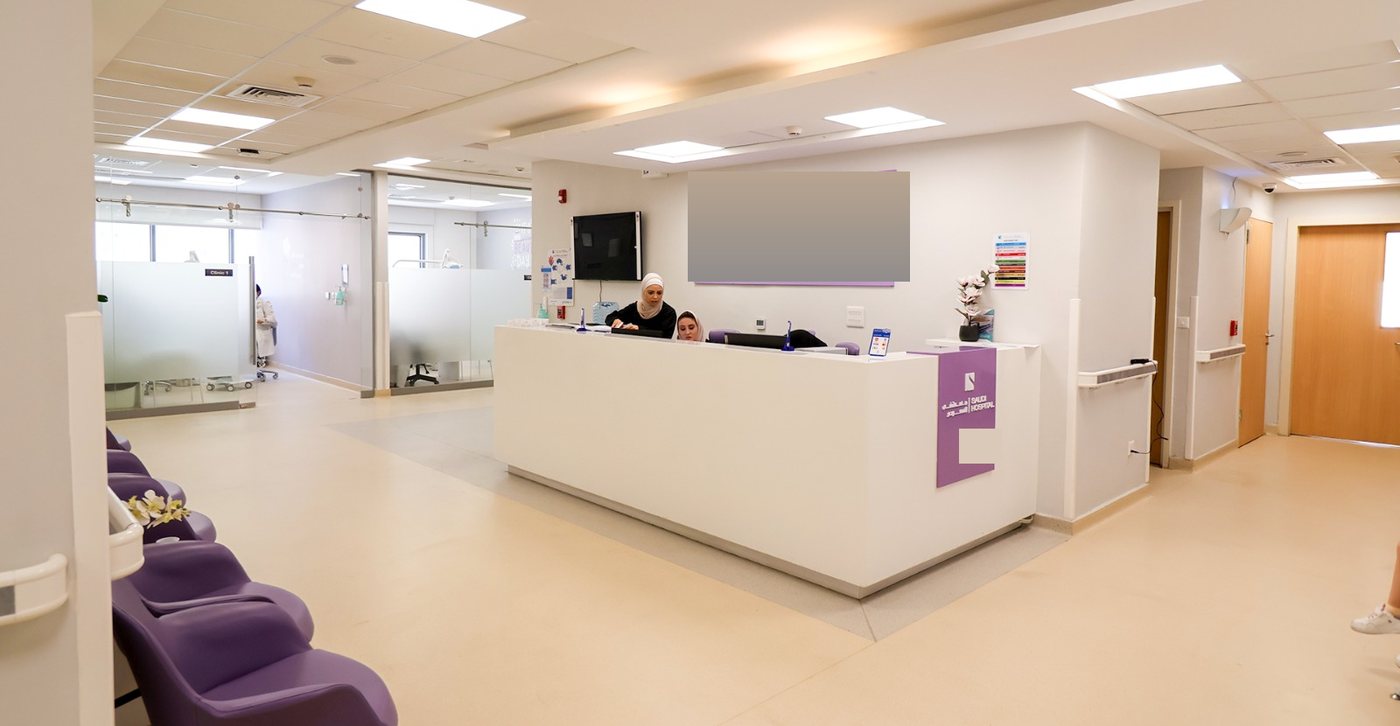
Yazan Shawahneh / CC0 — Wikimedia Commons
Part 4: What our medical support covers
Global Bridge Inc. is not a medical provider. We select the right clinic from several partners across Barcelona and coordinate everything from the pre-consultation to your stay, interpretation and follow-up, in English and Japanese.
1. Pre-consultation (online, free)
We go through your history, medications, current condition and the tests or treatments you have in mind, and share them with the partner-clinic physician. You get an early view of suitability, the tests needed, length of stay and an indicative cost.
2. Personal testing to establish where you stand
Blood, urine, SNP and genetic testing together map nutrition, metabolism, inflammation and hormonal trends — the kind of comprehensive personal data public systems rarely provide — explained in your language.
3. Treatment at the physician's discretion
Based on results and examination, the physician combines secretome IV drips or injections, care for immune-related symptoms, nutrition counselling and acupuncture. If a treatment is judged unsuitable, it is not performed.
4. Follow-up after you return to your posting
You receive your test reports (PDF) and treatment records, with three months of email and video follow-up, including advice on adjusting daily habits where you live and planning any return visit.
Part 5: Travel models from a European posting
- From Germany, the Netherlands or the UK: arrive Friday night, examination and tests on Saturday, results and first session on Sunday, sessions two and three the following weekend
- From Japan or the U.S.: a one-week stay covers testing, results review, a three-session set and nutrition counselling
- With family: we arrange a partner's tests or a child's health consultation at the same time, plus sightseeing and restaurant recommendations
Part 6: Before you start
- Stem cell secretome therapy does not guarantee the cure of any disease; results vary and part of the evidence is still at the research stage
- If you have an existing condition, are under treatment, or are pregnant or breastfeeding, disclose this in the pre-consultation and consult your own doctor
- All prices are indicative and exclude 21% VAT; a written quote follows the pre-consultation
- Private health insurance from your employer may reimburse part of the testing; check with your insurer in advance
Summary
Living in Europe makes you appreciate healthcare at home, but it also gives you time to think about your own body. The waiting built into public systems can be turned into time spent learning where you stand and widening your options with a physician. Secretome therapy is private medicine in Japan and in Europe alike, so receiving it a short flight away, with the whole process handled in your language, is a rational choice. Start with a free pre-consultation and tell us how you are feeling.
Talk to us about testing and treatment in Europe
From testing and stem cell secretome therapy at partner clinics in Barcelona to arranging your stay, we coordinate everything in English and Japanese. The online pre-consultation is free.
Request a Free Pre-Consultation