"I had the test, but the results sheet didn't mean much to me." Most people have felt this about a health check. You can see whether a value falls inside the reference range, but not what it has to do with your life or what you should change.
Combining genetic testing with blood testing changes that. Your genes are the blueprint you were born with; your blood shows where you are right now. Read together, they explain why a number is what it is and where to pay attention. Taking consumer genetic reports such as tellmegen as a reference point, this article explains what our personal testing covers and how we turn it into a report you can act on.
Key takeaways
- Blood tests show your current position; genetic tests are the map. Things you cannot read from one become clear with both
- Genetic testing reveals ancestry composition, physical traits, the presence of variants linked to particular diseases, nutrient metabolism and likely responses to medications
- We explain every blood parameter in your language and cross-reference it with your genetic tendencies in a PDF report
- Results are tendencies, not diagnoses. They matter only once translated into diet, habits and, where appropriate, treatment
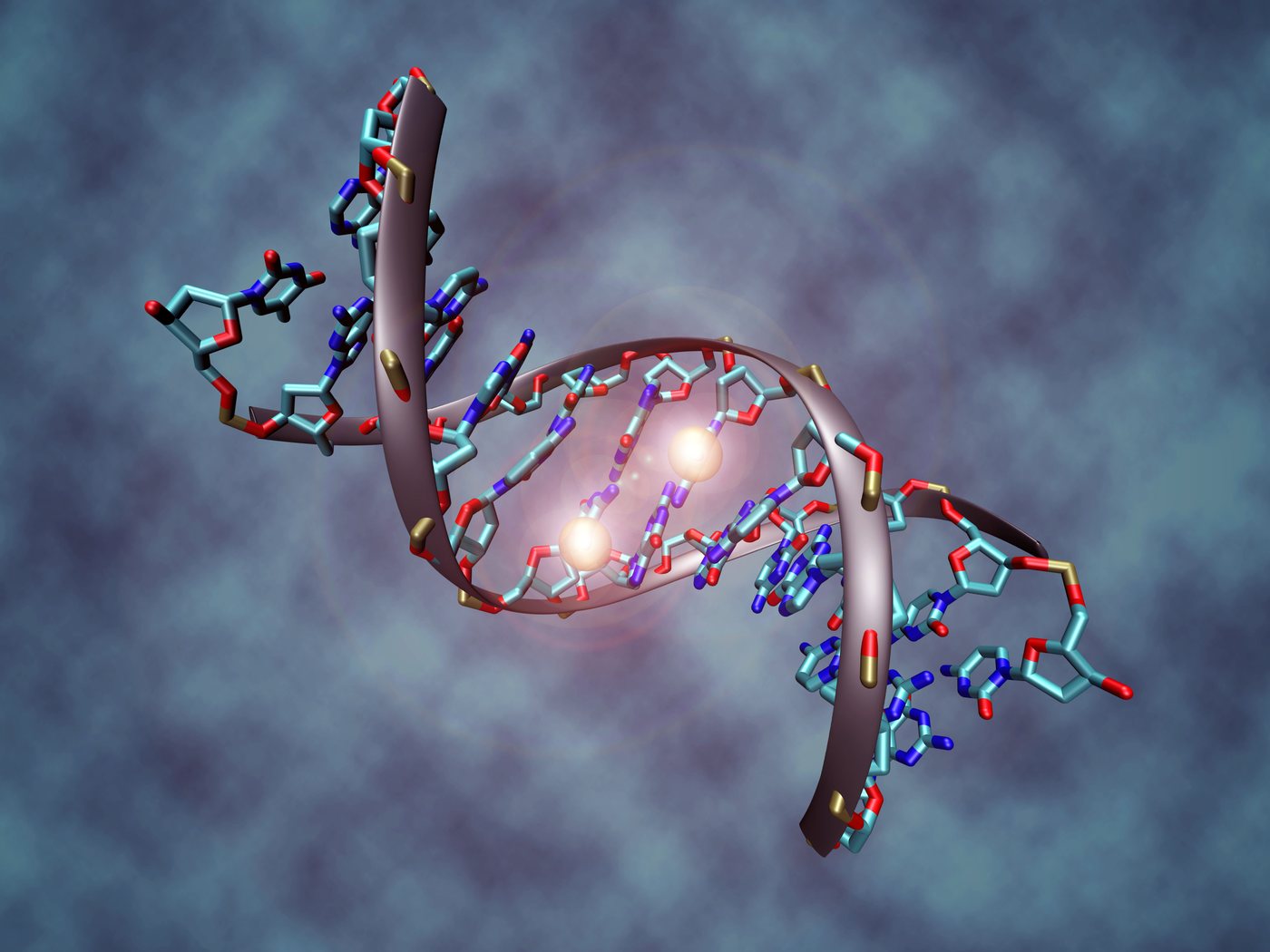
Christoph Bock, Max Planck Institute for Informatics / CC BY-SA 3.0 — Wikimedia Commons
Part 1: Five things genetic testing reveals
1. Ancestry composition
DNA from a saliva sample is compared with reference populations around the world to show where your ancestors came from, as percentages. Most Japanese clients are predominantly East Asian, but a few percent from an unexpected region is not unusual, and for many it opens a conversation about family history. The medical value is limited, but ancestry provides context for interpreting variants whose frequency differs between populations.
2. Physical traits
How quickly you metabolise caffeine, how well you break down alcohol, lactose tolerance, muscle-fibre type, sleep tendencies and how readily your skin ages in the sun — traits you already notice in daily life, now explained by genotype.
3. Variants associated with disease risk
The test looks for variants reported to be associated with particular conditions. For multifactorial diseases such as cardiovascular disease, type 2 diabetes, certain cancers and Alzheimer's disease, it indicates whether your tendency sits above or below the population average. This is a probability, not a diagnosis: a higher tendency does not mean you will develop the condition, and a lower one is no guarantee. Use it to set priorities for your habits.
4. Nutrient metabolism
Genotypes involved in absorbing and metabolising folate, vitamin D, vitamin B12, iron and omega-3 fatty acids. Someone with a folate-metabolism variant, for example, may run short on a normal diet and benefit from the active form of the supplement. Set against measured blood values, this yields concrete conclusions such as "genetically prone to deficiency, and currently deficient."
5. Responses to medications
For some drugs, genotypes linked to the speed of metabolism and the likelihood of side effects. Useful information to bring to the doctor who prescribes for you.
Part 2: Reading the full blood panel
Our personal testing measures a wider range of blood parameters than a standard health check. The main areas are:
- Blood cells: red cells, haemoglobin, white cells and differential, platelets — anaemia, infection and inflammation
- Liver: AST, ALT, GGT, ALP, bilirubin — alcohol, fatty liver and drug effects
- Kidney: creatinine, eGFR, urea, uric acid
- Lipids: total cholesterol, LDL, HDL, triglycerides, and where relevant small dense LDL and lipoprotein(a)
- Glucose metabolism: fasting glucose, HbA1c, insulin — catching the stage before diabetes
- Inflammation and immunity: high-sensitivity CRP, ferritin, immunoglobulins, allergy markers
- Hormones: thyroid, cortisol, sex hormones, DHEA-S
- Nutrients: vitamin D, vitamin B12, folate, iron, zinc, magnesium, omega-3 index
The report's job is to read these not merely as "in range or not" but as "in the optimal range or not" and "consistent with your genetic tendencies or not."
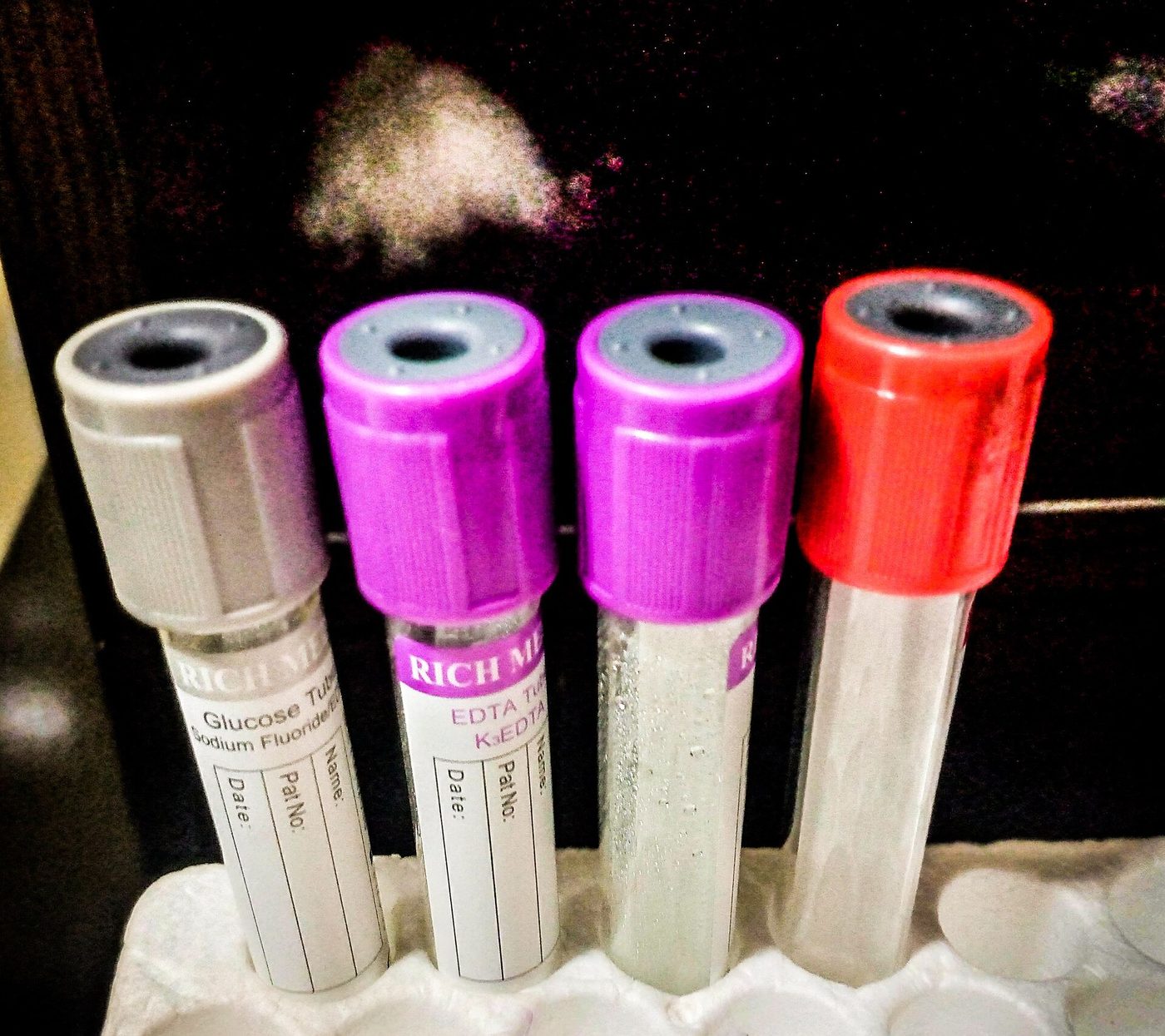
Frankincense Diala / CC0 — Wikimedia Commons
Part 3: What appears when you overlay the two
Consider a man in his forties whose health check was entirely normal but who felt tired all the time. His blood showed vitamin D and ferritin at the bottom of the range; his genetic test showed a vitamin D metabolism variant and a slow caffeine metaboliser type. The picture that emerges is a combination of little sunlight, afternoon coffee and an iron-poor diet. The response: vitamin D supplementation, no coffee after lunch and iron-rich foods. Test results gain value only when converted into specific actions.
In another case, lipids were slightly high and the genetic test showed a lipid-metabolism risk factor. Diet alone has limits here, so a plan was drawn up with the client's own doctor to monitor progress. Knowing the genetic background freed the client from the false conclusion that he simply was not trying hard enough, and connected him to appropriate care.
Part 4: How the report is produced
1. Test day
Blood, urine and saliva are collected at the partner clinic in Barcelona. It takes about 30 minutes, with an interpreter present.
2. Turnaround
Blood and urine results take a few days; genetic results take one to seven days. The same-day genetic test is designed so that you receive the report during your stay.
3. Report structure
An explanation of every blood parameter, results for each area of the genetic test, an integrated assessment overlaying the two, prioritised diet and lifestyle recommendations, and suggested treatments or nutrition counselling — in a PDF in Japanese and English.
4. Walk-through
Rather than simply handing over the document, a coordinator explains it online or in person and answers questions. A summary for your own doctor can be included.
Part 5: Before you test
- Genetic results never change, but their interpretation evolves with research. The report reflects current knowledge
- Disease-risk sections exist to set priorities, not to create anxiety. If a result unsettles you, talk to us
- Genetic data is highly sensitive. The partner clinic and Global Bridge Inc. handle it under the EU General Data Protection Regulation (GDPR) and never share it with third parties without your consent
- Testing is not diagnosis. Findings that may need treatment are referred to a physician
Summary
Genetics is the blueprint that does not change; blood is the position that changes constantly. Together they reveal what neither shows alone — from the everyday discoveries of ancestry and constitution to practical information about disease-risk tendencies and the nutrients you tend to lack. One report sets the priorities for your daily life, and our personal testing stays with you until the results become actions.
Talk to us about testing and treatment in Europe
From testing and stem cell secretome therapy at partner clinics in Barcelona to arranging your stay, we coordinate everything in English and Japanese. The online pre-consultation is free.
Request a Free Pre-Consultation