Key takeaways
- Stem cell secretome is the fluid collected from cultured mesenchymal stem cells with the cells removed. It contains cytokines, growth factors and exosomes, but no living cells
- It comes as IV drips, injections, nasal sprays, scalp serums and cosmetics, but these are different products with very different levels of evidence
- Laboratory and animal studies report anti-inflammatory and tissue-repair signals, while clinical evidence in humans is still limited
- Temporary fatigue, low fever and injection-site reactions have been reported, and product quality and physician supervision largely determine safety
- An IV day takes about three hours, and whether you are eligible is decided by the partner-clinic physician after an examination
Part 1: What stem cell secretome is
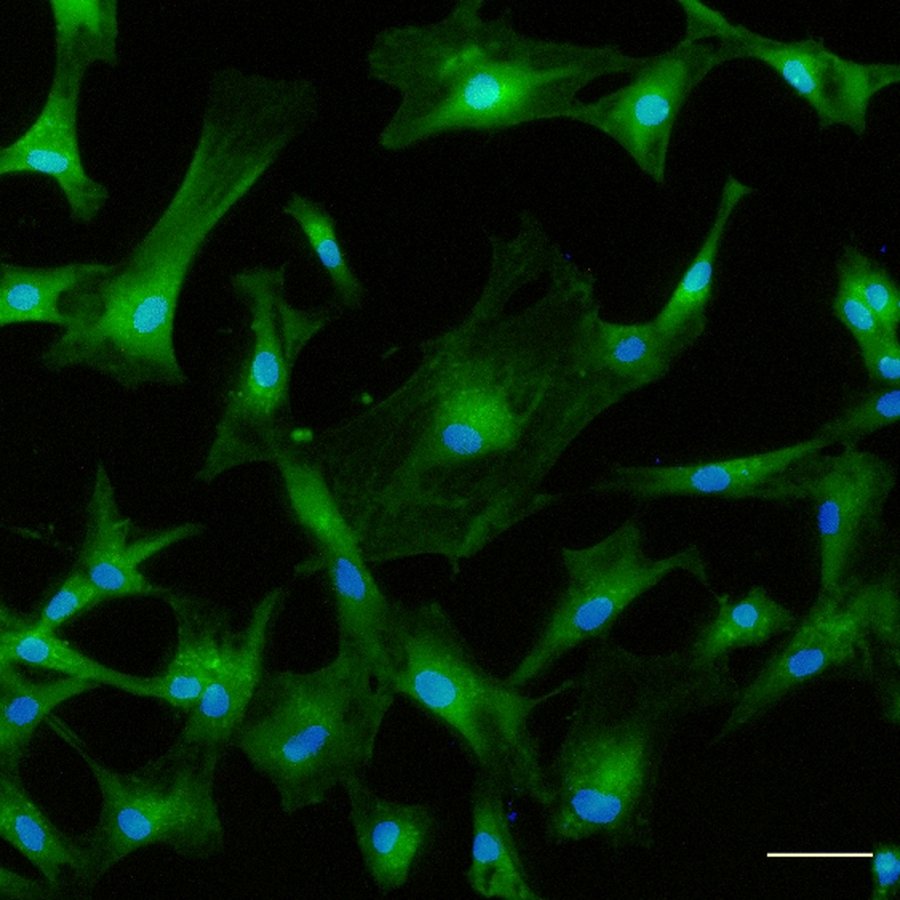
Stem cell secretome, also called conditioned medium, is made by culturing stem cells, collecting what they release into the fluid and removing the cells. Most products use mesenchymal stem cells (MSCs) from fat, bone marrow, umbilical cord or dental pulp, and the contents depend on the tissue source and culture conditions.
Mesenchymal stem cell secretome is thought to contain cytokines involved in inflammation and immunity, growth factors involved in cell growth and repair, and exosomes, the tiny vesicles cells use to exchange information. Think of it as the messages cells send to their neighbours, collected with the fluid that carries them.
How it differs from cell therapy
Unlike cell therapy, which introduces living stem cells, secretome contains no living cells. Cell-specific concerns, such as unexpected cell growth, are therefore considered smaller, but that does not mean there is no risk. The amount of each component varies widely between products, and standardised specifications have not yet been established.
In Japan, cell-free secretome is generally treated as falling outside the Act on the Safety of Regenerative Medicine, which governs cell therapies, so much of the quality checking is left to the provider. We look at product types and regulation in more detail in our article comparing secretome with exosome IV therapy.
Part 2: IV drip, injection, nasal spray and cosmetics
Products sold as stem cell secretome differ completely in concentration, purification and sterility standards depending on how they are used. Findings reported for one route do not automatically apply to another.
1. IV drip (intravenous)
The secretome is given into a vein under physician supervision, with the aim of distributing it throughout the body. Because it enters the bloodstream directly, it requires the strictest quality standards, including sterility testing and testing for endotoxins, the fever-causing substances derived from bacteria.
2. Injection and local administration
The secretome is injected into a specific area, such as around a joint or into the skin. This makes it easier to reach the target site, but swelling or pain at the injection site can occur, so the physician's technique and hygiene are essential.
3. Nasal spray
This route aims at absorption through the nasal lining and is still mainly being explored in research and by a few clinics. Clinical data supporting its benefits are limited.
4. Scalp serums and cosmetics
Scalp serums and cosmetics labelled as containing human stem cell conditioned media are entirely different from products administered at a medical facility. Cosmetics are designed for use on the skin surface and are not permitted to claim medical effects.
Part 3: What research reports about benefits
In cell and animal studies, secretome components have been reported to show signals that dampen inflammation and support the repair of damaged tissue. Research is under way in areas from joints and skin to the lungs and nervous system.
Human clinical studies, however, are still mostly small, with varying manufacturing methods and doses. It is therefore not yet possible to say in general terms what stem cell IV therapy changes, or by how much. The phrase stem cell secretome therapy is widely used online, but secretome is not an approved treatment for any specific disease, and it is best understood as a procedure still at the research stage. Individual responses vary, and no particular outcome can be guaranteed.
Before you decide
Try to put into words what you are hoping for and share it with the physician. Listing your concerns, such as tiredness, skin condition or joint discomfort, along with past treatments and current medication helps the physician judge whether the procedure is appropriate. Where needed, the partner clinic may first assess your current condition with blood tests and other examinations, and the physician then proposes a plan based on the results.
Part 4: Reported side effects and risks
The main reactions reported after secretome IV drips or injections are below. Most are described as temporary, but they vary from person to person.
- Tiredness or drowsiness on the day or the following day
- Temporary low fever or headache
- Redness, swelling, pain or bruising at the injection or drip site
- Allergic reactions such as itching or rash, with a rare possibility of a severe allergic reaction
- As a rare but serious risk, infection caused by contaminated products or improper technique
If symptoms persist, or if you experience breathing difficulty, widespread hives or a high fever, tell the medical staff immediately or seek medical care.
What to check about quality control
Many risks of stem cell IV therapy depend less on the ingredients than on how the product was made and handled. Being able to confirm the following is a useful benchmark.
- Whether the cell donor was screened for infectious diseases
- Whether sterility and endotoxin test results are available
- Whether a certificate of analysis is available for each lot
- Whether the manufacturer, storage and temperature control during transport are documented
- Whether a physician examines you and medical staff are present throughout
Part 5: How an IV day works
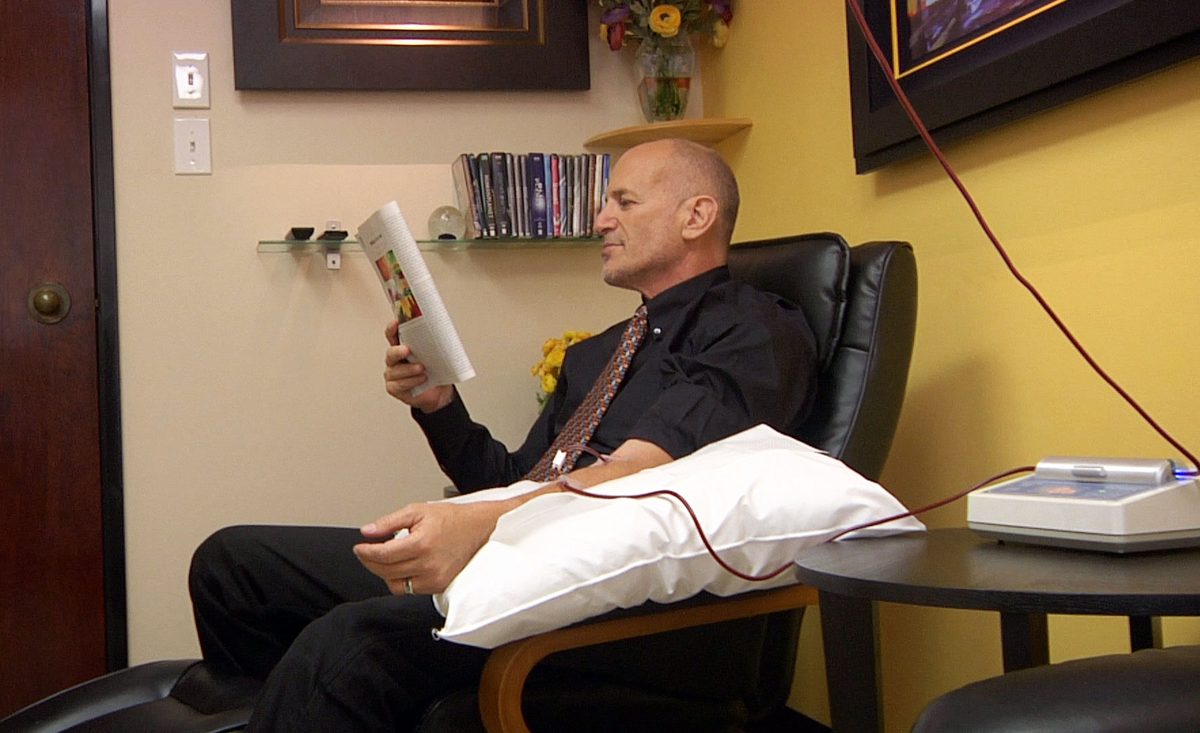
At the partner clinic, an IV day takes about three hours from check-in to finish. The usual flow is as follows, although the physician may adjust it.
- Check-in and health check, covering temperature, blood pressure, how you feel and current medication
- Examination and explanation by the physician, and signing of the consent form with an interpreter present
- IV line placement and administration, during which you rest in a reclining chair
- Observation after administration to check for any change in how you feel or signs of an allergic reaction
- Guidance for the rest of the day, which usually includes avoiding strenuous exercise and alcohol
For a set of sessions, the physician sets the intervals to fit your stay. If anything concerns you after returning home, you can consult the partner clinic through Global Bridge. For severe symptoms or a sudden change in your condition, however, please see a doctor near you first.
Part 6: Who may not be eligible
In the following situations, the physician may decide to postpone the procedure or not to proceed. Final eligibility is decided by the partner-clinic physician based on an examination and your medical history.
- Pregnancy, breastfeeding, or the possibility of pregnancy
- Current cancer treatment, or a history of cancer under ongoing follow-up
- Fever or an active infection
- A history of severe allergies
- Autoimmune disease or a serious chronic condition managed by your own doctor
- Medication that may affect the procedure, such as anticoagulants
If you have a chronic condition or take regular medication, talk to your own doctor before deciding to travel and prepare a summary of your medical information if needed.
Part 7: Indicative prices at the partner clinic
Indicative prices at our Barcelona partner, NB Science Stem Cell Clinic (surgeon Dr. A. Sergio), are below. They exclude 21% VAT, and yen figures use 1 euro to 184 yen.
- Stem cell secretome IV or injection, three-session set: 1,000 to 1,500 euros (about 184,000 to 276,000 yen)
- Personal testing (blood, SNP, urine): 2,000 euros (about 368,000 yen)
- Same-day genetic test: 600 euros (about 110,000 yen)
- Immune and atopic care: 1,500 euros (about 276,000 yen)
- Nutrition counselling: 1,000 euros (about 184,000 yen)
- Acupuncture: 500 euros (about 92,000 yen)
- Customised programme: 4,500 to 6,000 euros or more (about 830,000 to 1,100,000 yen or more)
Actual content and price depend on the physician's examination and your test results. Including VAT, the three-session set comes to about 1,210 to 1,815 euros (roughly 220,000 to 330,000 yen). Travel and accommodation are extra.
Summary
Stem cell secretome is a cell-free fluid made from the substances that stem cells release. From IV drips and injections at medical facilities to cosmetics, products may share a name but differ in content and in the level of evidence behind them. Research has produced interesting findings, yet clinical evidence remains limited, and safety depends heavily on product quality and physician supervision.
Asking who made the product, who administers it and what happens if something goes wrong matters as much as asking what you might expect. Medical Bridge coordinates a free online pre-consultation with the partner clinic, so you can raise your questions with an interpreter present and decide at your own pace whether to travel.
Photos: MFT29 / CC BY-SA 4.0 · James Mutter / CC BY-SA 4.0 (Wikimedia Commons)
Talk to us about testing and treatment in Europe
From testing and stem cell secretome therapy at partner clinics in Barcelona to arranging your stay, we coordinate everything in English and Japanese. The online pre-consultation is free.
Request a Free Pre-Consultation