Search for "stem cell therapy cost" or "regenerative medicine cost" and you will find figures that differ by orders of magnitude, from a few hundred to tens of thousands of euros or dollars. The spread exists because the procedures differ, regulation and healthcare costs vary by country, and quotes include very different things. Comparing headline prices alone tells you very little.
This article explains the difference between cell therapy, which uses stem cells themselves, and stem cell secretome, which contains no cells. It then sets out neutral, indicative price ranges for Japan, the United States, Mexico and other medical-tourism destinations, and Spain and the wider EU. It then works through a one-week Barcelona budget, how to compare providers and which warning signs to watch for.
Key takeaways
- Cell therapy that administers stem cells is often priced in the thousands to tens of thousands of euros, while cell-free stem cell secretome tends to sit in a lower price band
- Regional differences are large, but regulation, physician and facility standards and the scope of each quote also differ, so straight price comparisons are difficult
- A realistic budget covers testing, VAT (21% in Spain), flights, accommodation, interpretation and follow-up, not just the procedure
- Be cautious about anyone who guarantees results, claims to cure a disease or asks for full payment before a medical examination
- As elective private care, these procedures are generally not covered by public health insurance in Japan or the EU
Part 1: Cell therapy and secretome are not the same
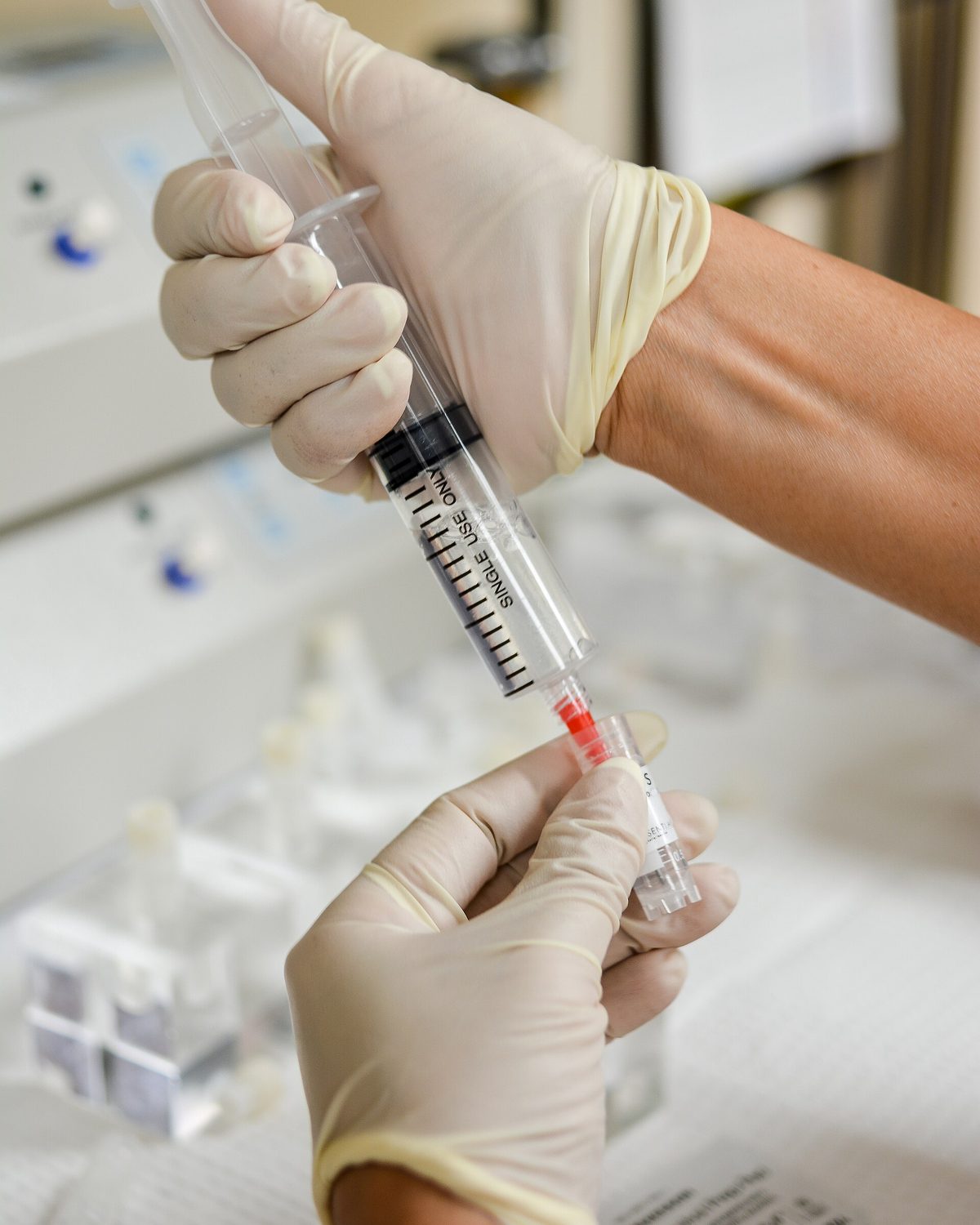
Most of what is marketed as stem cell therapy is cell therapy: stem cells are harvested from the patient's own fat or bone marrow, or from a donor, then cultured or processed and administered. These steps require specialised facilities, so costs run high, and many countries require formal approval or registration.
Stem cell secretome is the fluid containing substances that stem cells release while they are cultured. It does not contain the cells themselves. Because no individual harvesting or culturing is needed, it is usually considerably less expensive than cell therapy. It is given by IV infusion or local injection and remains an active area of research; what it can be expected to do is still debated, and responses vary from person to person.
Many searches are goal-specific, such as anti-ageing, knees or hair. Interest is understandable, but the scientific evidence for most of these uses is still at the research stage, and no procedure can promise a particular change. Ask the examining physician directly what can and cannot reasonably be expected.
Part 2: Indicative prices by region
The ranges below are general indications drawn from public information and media reports. They vary widely by facility, procedure, number of sessions and what is included, so always confirm current prices with a written quote from the provider.
Japan
In Japan, regenerative medicine using cells is regulated under the Act on the Safety of Regenerative Medicine and is offered as private, self-paid care after the required plans are submitted. Cell therapy using the patient's own fat-derived stem cells, by IV or joint injection, is commonly advertised at around one million to several million yen per session. Secretome IV sessions are often listed anywhere from tens of thousands to a few hundred thousand yen.
United States
Very few stem cell products are FDA-approved, and many procedures offered by private clinics sit outside approved treatment. Reported prices for joint injections or IV sessions commonly range from a few thousand to tens of thousands of dollars, varying by state and clinic.
Mexico and other destinations
Mexico, Panama, Colombia and other destinations offer many stem cell packages aimed at American travellers, often quoted from a few thousand to tens of thousands of dollars. Regulation and oversight differ by country, so beyond price you need to check physician credentials, facility licensing and how the product is sourced and controlled.
Spain and the EU
In the EU, therapies using processed cells are strictly regulated as advanced therapy medicinal products and are available through approved products, clinical trials or the hospital exemption. Cell therapy options are therefore limited and can cost thousands to tens of thousands of euros. Cell-free secretome may be offered at private clinics under a physician's supervision. At Medical Bridge's partner clinic in Barcelona, a three-session IV or injection set is indicatively EUR 1,000 to 1,500 (about JPY 184,000 to 276,000), excluding VAT.
Part 3: A total budget for one week in Barcelona
When you consider treatment abroad, compare the cost of the whole trip, not just the procedure. The example below assumes a one-week stay in Barcelona from Japan with testing and a secretome course (EUR 1 = JPY 184; all figures indicative).
- Stem cell secretome IV or injection, three-session set: EUR 1,500 (about JPY 276,000)
- Personal testing (blood, SNP and urine): EUR 2,000 (about JPY 368,000)
- VAT at 21% on items 1 and 2 (EUR 3,500): EUR 735 (about JPY 135,000)
- Hotel, six nights at an assumed EUR 200 per night: EUR 1,200 (about JPY 221,000)
- Local meals and transport: EUR 400 (about JPY 74,000)
- Return economy flight from Japan, depending on season: about JPY 200,000
The total comes to roughly JPY 1.27 million. Swapping the personal testing for a same-day genetic test (EUR 600, about JPY 110,000) lowers the total by around JPY 300,000. Interpreting, airport transfers, accommodation booking and three months of follow-up can be bundled into a customised one- to two-week programme (EUR 4,500 to 6,000 or more, about JPY 828,000 to 1,104,000 or more, excluding VAT), and the written quote states exactly what is included.
Exchange rates, booking dates and hotel location can shift the total by hundreds of thousands of yen. If you live in Europe or travel with family, recalculate for your own situation so comparisons are fair.

Part 4: What medical tourism is and how to compare
Medical tourism means travelling to another country for tests or procedures. Common patterns include travelling for a procedure that is hard to access at home, travelling to avoid long waits, and combining a holiday with a health check. In every case, decide your comparison criteria first.
A typical schedule might be a one-week trip from Japan: examination and tests on day one, results and the first session on day two, and the second and third sessions later in the week. People living in Europe can split the course across two weekends. Either way, the schedule and content depend on test results and the physician's judgement.
- Is the procedure performed by a locally registered physician in a licensed medical facility
- Can the provider explain the product's origin, manufacturing site and quality documentation
- Will you receive a written quote in advance, including VAT, tests and any extras
- Are risks, realistic expectations and alternatives explained before you sign a consent form
- Is there follow-up after the procedure and a contact point once you are home
Language matters too. If you cannot fully understand the physician's explanation, your consent is not truly informed, so check whether a Japanese or English medical interpreter can attend.
Part 5: Warning signs
If you encounter any of the following, it is worth pausing before you sign anything.
- Wording that guarantees results, or promises to make you look a certain number of years younger
- Definitive claims that a disease will be cured or that you can stop your medication
- Pressure to pay a large sum upfront before any examination or testing
- No disclosure of the physician's name, qualifications or facility details
- Sales tactics such as discounts that expire if you do not decide today
If you have a chronic condition, are under treatment, or are pregnant or breastfeeding, talk to your own doctor before you travel. Eligibility is decided by the physician on site after examination and tests, and it is entirely normal for a procedure not to go ahead if it is judged unsuitable.
Part 6: Will insurance pay
Stem cell therapy and secretome procedures are generally not covered by public health insurance in Japan or EU countries. Private health insurance and travel insurance almost always exclude elective regenerative medicine too. Travel insurance for sudden illness or injury during your trip remains essential, so check your policy's coverage before you leave.
Japan's public insurance includes an overseas medical expense reimbursement scheme, but it only applies to treatment that would be covered in Japan, so self-paid regenerative medicine and testing packages are realistically outside its scope.
Summary
Stem cell therapy and stem cell secretome sound similar but differ greatly in content and cost. Regional prices reflect differences in regulation and standards, so cheap or expensive alone says little about quality. Compare total budgets that include testing, tax, travel, interpreting and follow-up, and check physician and facility details, product quality, a written quote and proper consent. Medical Bridge offers a free online pre-consultation to help you understand the cost breakdown and how a stay could be organised.
Photos: AMA Skincare / CC BY-SA 4.0 · DimiTalen / CC0 (Wikimedia Commons)
Talk to us about testing and treatment in Europe
From testing and stem cell secretome therapy at partner clinics in Barcelona to arranging your stay, we coordinate everything in English and Japanese. The online pre-consultation is free.
Request a Free Pre-Consultation