"Stem cell banking" is the name used for services that freeze cells and keep them for a long period. The same phrase covers very different things: storing a baby's cord blood at birth, storing an adult's own fat-derived cells, and donating cord blood free of charge for other patients. Before comparing prices, it helps to be clear which of these you are looking at.
This guide explains the main types of stem cell bank, how public and private banks differ in Japan, the steps from collection to storage and retrieval, how fees are usually structured, and whether stored cells can be used later. It also sets out how cell storage is regulated in the EU and Spain, limited to what we could check in official sources.
Key takeaways
- Stem cell banks either store cord blood or cord tissue collected at birth, or store cells such as fat-derived cells collected from adults
- In Japan, cord blood can be donated free of charge to public banks licensed by the Minister of Health, Labour and Welfare (six nationwide). Private banks that store cord blood for a fee for the family's own use are only required to notify the ministry
- Fees are usually split into an initial processing fee, a storage fee and a renewal fee. In our own research, ten years of private cord blood storage in Japan was priced between just over JPY 100,000 and around JPY 360,000
- There is no promise that stored cells can be used for treatment later. Whether they can depends on the law at the time, the physician's judgement and the condition of the cells
- Medical Bridge does not sell cell storage. The stem cell secretome used at our partner clinic contains no cells, so you do not need to bank your own cells
Part 1: What is a stem cell bank?
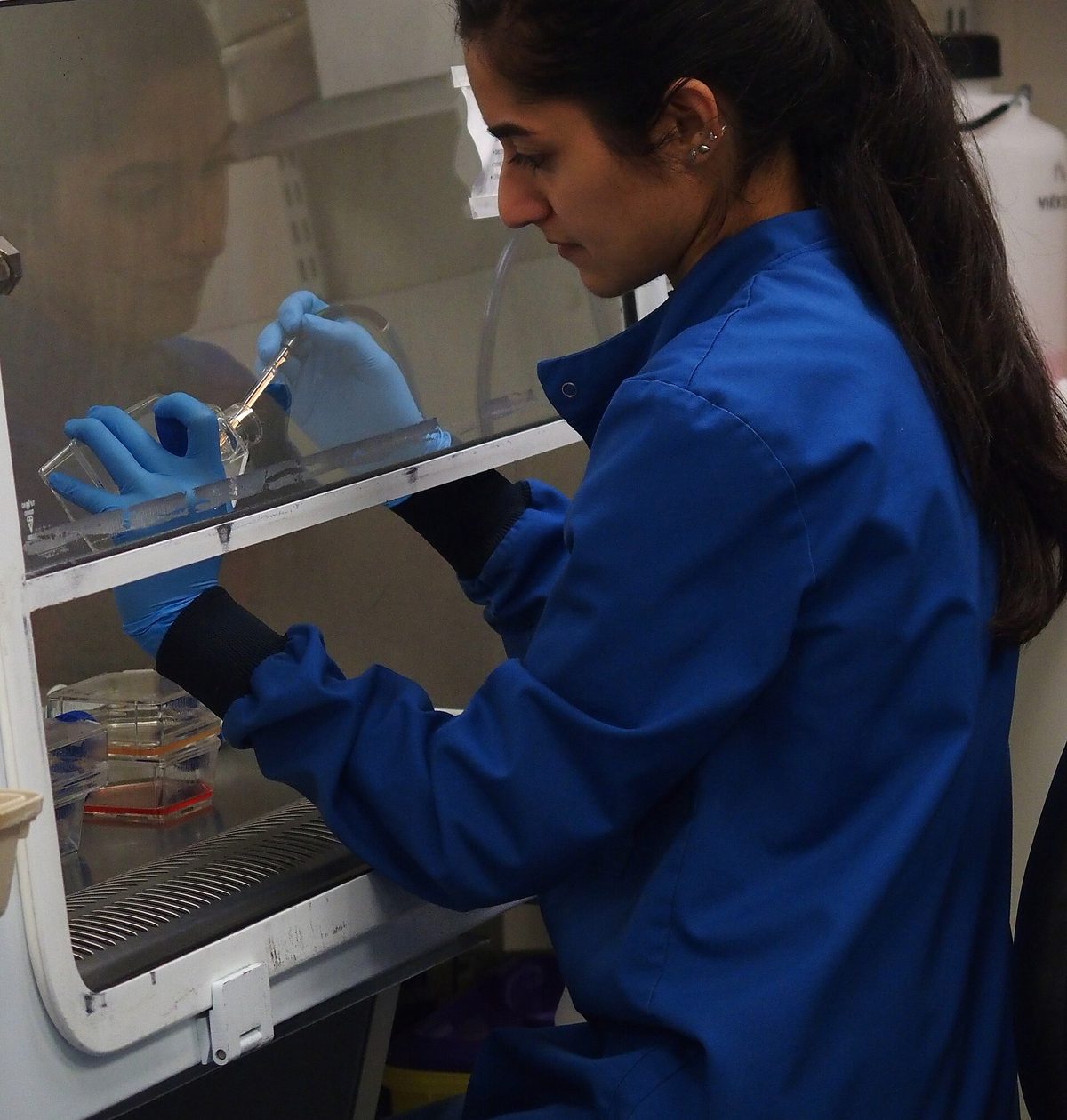
Stem cells are cells that can give rise to other types of cell. A stem cell bank collects blood or tissue containing these cells, processes and tests it, freezes it and stores it for years. It is a storage contract, not a treatment, so the costs and the questions to ask are different from those for a procedure.
Storing at birth: cord blood and cord tissue
Cord blood is the blood left in the umbilical cord and placenta after a baby is born. It contains haematopoietic (blood-forming) stem cells and is used in haematopoietic stem cell transplants for blood diseases such as leukaemia. Because it can only be collected at birth, parents need to decide before delivery whether and where to store it. Some services also store the umbilical cord tissue itself.
Storing as an adult: fat-derived and other cells
Adults can have cells collected, for example from their own fat, and part of the cultured cells frozen and stored. In Japan this is commonly offered as part of regenerative medicine using the patient's own fat-derived stem cells, with cells kept for later sessions. In that case the storage contract is with the clinic or with the facility that cultures the cells.
Part 2: Public and private banks in Japan
Public cord blood banks
In Japan, supplying cord blood for transplantation requires a licence from the Minister of Health, Labour and Welfare under the Act on Promotion of Appropriate Provision of Hematopoietic Stem Cells for Transplantation. The ministry lists six licensed public cord blood banks: four run by the Japanese Red Cross Society and two in the Chubu and Hyogo regions. Donation is free, and donated cord blood is tested and prepared, then stored for up to ten years for transplants in patients with blood diseases. Parents who want to donate should ask, before delivery, whether their maternity unit takes part.
Private cord blood banks
Private banks store cord blood for a fee for the child's or family's own use. They fall outside the licensing system of the transplantation act; instead, under a ministry notice and implementation guidelines, they must notify the ministry when they start, change, suspend or close their business and submit reports. As of November 2026 the ministry's page listed two notified operators. The ministry states that it does not review these notifications individually or license the businesses, and that it does not confirm or guarantee the safety or efficacy of the stored cord blood. Cord blood held by private banks is not supplied to patients through the public bank network.
Storing fat-derived cells
Regenerative medicine using a patient's own fat-derived stem cells is provided under Japan's Act on the Safety of Regenerative Medicine, with the clinic submitting a treatment plan. A cell processing facility inside a medical institution must be notified to the authorities, and one outside a medical institution needs a licence. Storage may be contracted with the cell processing facility rather than the clinic, so check in the contract who actually holds your cells.
Part 3: How storage works, from collection to use
Details vary with the type of cell, but the process usually has four stages.
- Collection: cord blood is drawn from the umbilical cord just after birth; for fat-derived cells, a small amount of fat is taken at a clinic
- Processing and testing: the cells needed are separated and checked for cell count, viability, bacterial contamination and infectious disease markers. Fat-derived cells may be cultured at this stage to increase their number
- Cryogenic storage: the cells are mixed with a protective solution, cooled gradually and stored in liquid nitrogen (about minus 196°C) or in the extremely cold vapour above it
- Retrieval and use: if the cells are needed, they are thawed under a physician's direction, checked and released to the treating hospital
Public cord blood banks in Japan store units for up to ten years. Private banks usually offer contracts in ten-year blocks, after which you choose whether to renew. What happens to the cells if you do not renew or cancel early (whether they are discarded or may be used for research, for example) differs between providers, so get it in writing before you sign. Japan's health ministry also advises families to check carefully in advance that the cells will not be used without their consent after the contract ends.
Part 4: What stem cell banking costs
Cord blood
Private cord blood banks in Japan typically charge an initial fee for separation and processing after collection, plus a storage fee in ten-year blocks and a renewal fee when the term ends. In our own research, ten years of storage was priced between just over JPY 100,000 and around JPY 360,000. Some providers quote the total of monthly instalments, so check whether a price is for a single payment or for instalments. Donating to a public bank costs nothing.
Fat-derived cells
Where regenerative medicine uses a patient's own fat-derived stem cells, storage may be charged separately from treatment. In our own review of regenerative medicine treatment plans published by Japan's health ministry, we found examples that included one year of storage in the first treatment fee and then charged an annual fee from the second year, ranging from roughly JPY 20,000 to 220,000. Look at the total, including collection, culture and later sessions, not just the storage fee.
What to check about fees before signing
- The initial fee, storage fee and renewal fee, and whether tax is included
- What happens with instalment payments or early cancellation, and whether anything is refunded
- The maximum storage period and what happens to the cells if you do not renew
- What arrangements exist if the provider closes or moves the cells to another facility
- Whether there is a separate charge to retrieve and use the cells
Part 5: Can stored cells be used later?
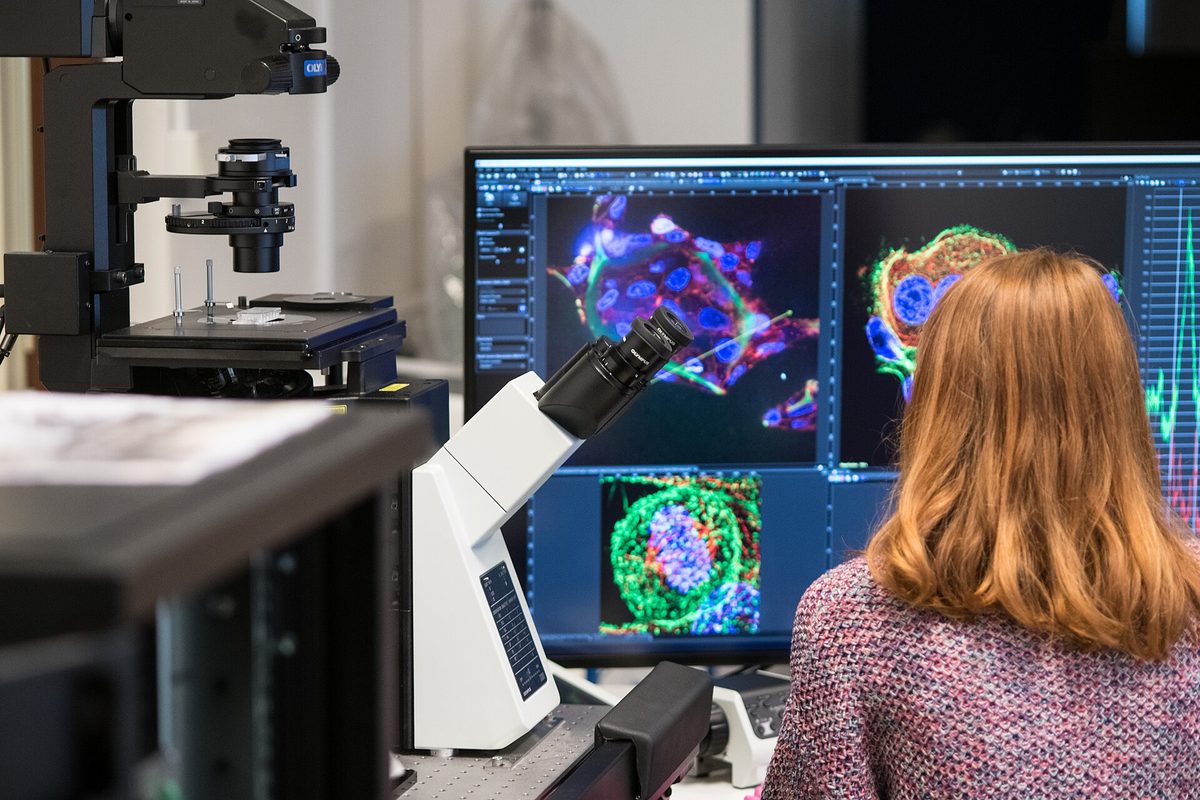
There is no promise that stored cells can be used for treatment in the future. Whether they can depends on whether the use is permitted by law at that time, whether the examining physician considers it appropriate, and whether the number and condition of the cells after thawing are sufficient.
Cord blood is used in haematopoietic stem cell transplants, but mainly through public banks supplying unrelated patients. Cord blood held by private banks is not supplied to patients through the public bank network, and Japan's health ministry notes that medical societies have issued statements raising concerns about the quality and safety of treatments using cord blood stored outside the public banks. For fat-derived cells too, whether a treatment using stored cells is provided under the law depends on the clinic and the individual treatment plan. If you are told that storing cells will protect you against future illness, ask specifically which treatment they could be used for and under which law.
Part 6: How storage is regulated in the EU and Spain
In the EU, Directive 2004/23/EC sets standards for the donation, procurement, testing, processing, preservation, storage and distribution of human tissues and cells. Under it, tissue establishments that test, process, preserve, store or distribute tissues and cells must be accredited, designated, authorised or licensed by the national competent authority. The directive is being replaced by Regulation (EU) 2024/1938 on substances of human origin, most of which is due to apply from 7 August 2027.
In Spain, the donation and storage of cells and tissues are governed by Royal Decree-law 9/2014. It calls storage for a person's possible future use, without an established medical indication at the time of collection, "eventual autologous use". Before collection, donors must be told that the stored cells will be available for other patients if there is a therapeutic indication, and that processing and storage take place in authorised establishments. Establishments storing cells for this purpose must take out insurance covering processing, preservation and storage costs if the cells are sent to another establishment for use in other patients or if the establishment ceases activity, and advertising that misleads about the real usefulness of this kind of storage is not permitted. Import and export of cells and tissues require authorisation from the Ministry of Health after a report from the National Transplant Organisation (ONT).
In a May 2026 announcement, Spain's Ministry of Health put the number of cord blood units stored in Spain at 60,897, the largest inventory in Europe, and reported that the 14 cord blood transplants carried out in Spain in 2025 used units from public banks. If you are considering storage in Spain or elsewhere in Europe, check that the establishment is authorised and that the contract sets out the information and insurance described above.
Part 7: Where Medical Bridge fits in
Medical Bridge coordinates stem cell secretome treatment and testing at a partner clinic in Barcelona. We do not offer cell storage. Stem cell secretome is the fluid containing the substances that stem cells release while they are cultured; it contains no cells, so there is no need to collect and bank your own cells and no storage fee. Secretome is not approved as a medicine for any specific disease, and its efficacy has not been established.
For how cell therapy and secretome differ in cost, see our stem cell therapy cost guide; for what secretome contains and how a session works, see our secretome therapy guide; and for EU rules and how to check a clinic, see our guide to stem cell secretome injections in the EU.
Frequently asked questions
How much does stem cell banking cost?
What is the difference between public and private cord blood banks?
Can stored stem cells be used for treatment later?
Is private cord blood storage allowed in Spain?
Does Medical Bridge offer stem cell storage?
Summary
Stem cell banks either store cord blood or cord tissue collected at birth, or store cells such as fat-derived cells collected from adults. In Japan, cord blood can be donated free to licensed public banks or stored for a fee at private banks that only notify the health ministry. Compare the total of initial, storage and renewal fees, and check in writing what happens to the cells when the contract ends or the provider closes. Because there is no promise that stored cells can be used for treatment later, ask which treatment and which law apply before deciding. Medical Bridge offers a free online pre-consultation about testing and secretome treatment in Barcelona.
Photos: Zcsharp / CC BY 4.0 · René Volfík, FZU / CC BY-SA 4.0 (Wikimedia Commons)
Talk to us about testing and treatment in Europe
From testing and stem cell secretome therapy at partner clinics in Barcelona to arranging your stay, we coordinate everything in English and Japanese. The online pre-consultation is free.
Request a Free Pre-Consultation