In Europe, stem cell therapy that uses cultured or processed cells is regulated as a medicine. Inside the EU it can only be supplied as a centrally authorised product, within an authorised clinical trial, or under a national hospital exemption granted by the regulator. Cell-free stem cell secretome is different in nature from cell therapy, and how a given product is classified is decided product by product by the authorities. In our own research, as of November 2026 none of the medicines centrally authorised by EMA has stem cell secretome or exosomes as its active substance. Whichever country you choose, the starting point is the same: check the legal route, the facility licence, the doctor's registration and the product's quality documents.
This guide is written for people in the UK, the US and across Europe who are searching for a stem cell clinic in Europe and want a clear picture before they contact one. It covers the common EU rules, the regulator and public registers in each major country, cost ranges, how to check a clinic, and what the process looks like from first enquiry to aftercare. Everything here reflects official sources as of November 2026.
Key takeaways
- "Europe" in clinic marketing can mean an EU member state, Switzerland or the UK (each with its own regulator), or a country outside the EU altogether. EU rules only apply in the 27 EU member states
- In the EU, therapies using cultured or processed stem cells are advanced therapy medicinal products (ATMPs) under Regulation (EC) No 1394/2007. The only lawful routes are central EU authorisation, an authorised clinical trial or the hospital exemption
- The European Medicines Agency (EMA) warned against unproven cell-based therapies on 28 April 2020, and EMA and the national medicines agencies warned again about unregulated ATMPs sold directly to patients on 13 March 2025
- The new EU regulation on substances of human origin, Regulation (EU) 2024/1938 (the SoHO Regulation), applies in general from 7 August 2027
- Cell-free secretome and exosome products are different in nature from cell therapy, and their classification is decided product by product by the authorities. In our own research, as of November 2026 no medicine centrally authorised by EMA has secretome or exosomes as its active substance. This is a research-stage field and efficacy and safety have not been established
- At our partner clinic in Barcelona a three-session secretome set costs around EUR 1,000 to 1,500 excluding VAT. Whether treatment is appropriate is decided by the physician
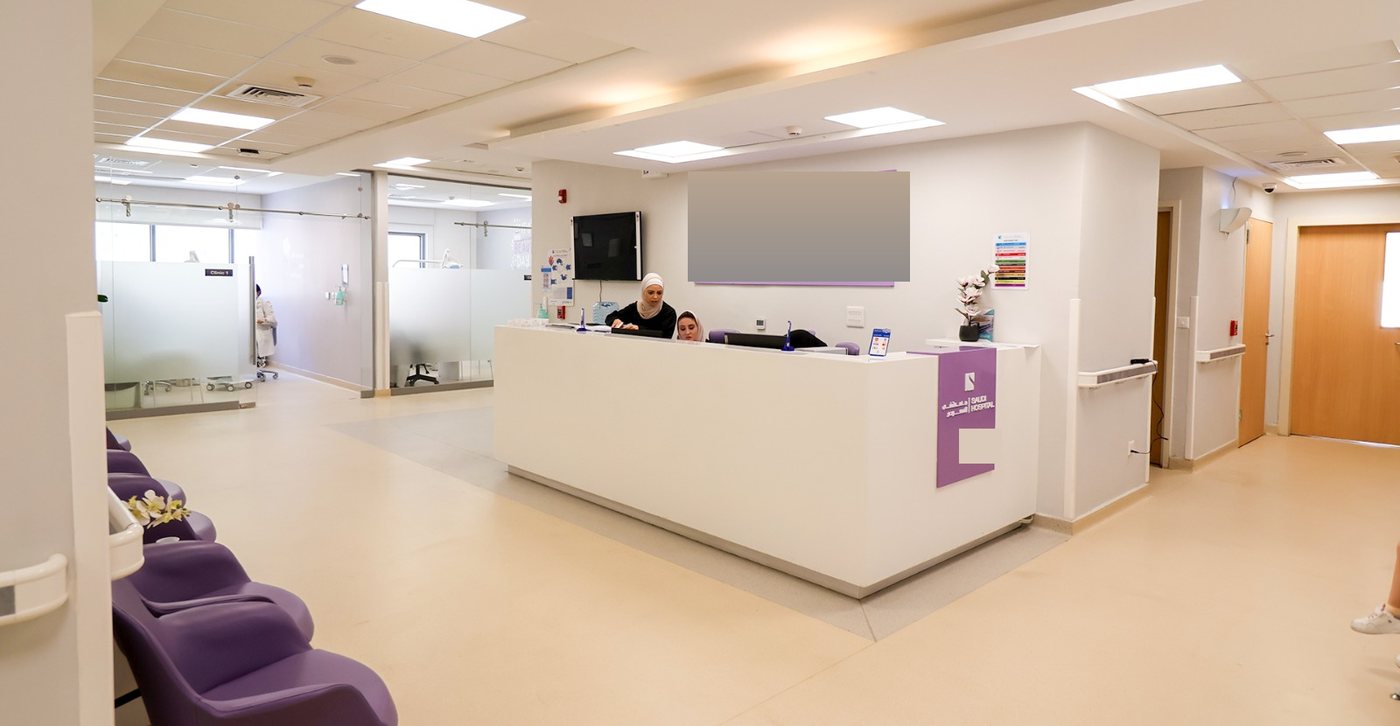
Part 1: Europe, the EU and the EEA are not the same thing
Clinic websites often say "European standards" or "treatment in Europe", but the rules behind those words depend entirely on the country. It helps to be precise about what each term covers.
- The EU (European Union) has 27 member states. The ATMP Regulation and the SoHO Regulation discussed below apply across all of them
- The EEA (European Economic Area) is the 27 EU member states plus Iceland, Liechtenstein and Norway. Switzerland is not part of the EEA
- Switzerland is outside both the EU and the EEA. Medicines and transplant products are regulated by Swissmedic
- The UK is outside the EU. Medicines, including ATMPs, are regulated by the MHRA (Medicines and Healthcare products Regulatory Agency), and human tissues and cells used as starting materials by the HTA (Human Tissue Authority)
- Countries such as Turkey, Ukraine and Serbia are sometimes marketed as "Europe", but they are not EU member states, so EU rules do not apply there. Treatment is provided under each country's own laws and regulators
So the first question to ask about any "European" stem cell clinic is simply which country it is in, and which regulator oversees it.
Part 2: The EU rules on stem cell therapy
EMA defines advanced therapy medicinal products as medicines based on genes, tissues or cells, in three main types: gene therapy, somatic-cell therapy and tissue-engineered products, plus combined ATMPs that include a medical device. Treatments that take stem cells from fat, bone marrow or other tissue and culture or process them before administration usually fall into this group.
ATMPs are governed by Regulation (EC) No 1394/2007, which has applied since 30 December 2008. All ATMPs are authorised centrally through EMA, and EMA's Committee for Advanced Therapies (CAT) plays a central role in the scientific assessment.
EMA, the Heads of Medicines Agencies and Spain's medicines agency AEMPS all describe the same three lawful routes for supplying an ATMP to patients.
- Central EU authorisation, after EMA has assessed safety, efficacy and quality
- An authorised clinical trial
- The hospital exemption, under national rules
What the hospital exemption means
The hospital exemption was introduced by Article 28 of the ATMP Regulation, which amended the EU medicines directive (Directive 2001/83/EC). It covers ATMPs prepared on a non-routine basis according to specific quality standards and used in a hospital in the same member state, under the exclusive professional responsibility of a medical practitioner, to fulfil an individual prescription for a custom-made product for one patient. Manufacturing must be authorised by the national competent authority. It is a narrow, regulator-supervised route for hospitals, not a general licence for clinics to sell cell therapy.
EMA's warnings
On 28 April 2020, EMA's Committee for Advanced Therapies advised patients and the public against using unregulated cell-based therapies. The CAT noted that patients using unproven cell-based therapies had reportedly suffered serious, sometimes fatal, side effects including infections, unwanted immune reactions, tumour formation, loss of vision and bleeding in the brain. It advised anyone considering such a therapy to ask their healthcare professional about the benefits and risks and which authority has approved it.
On 13 March 2025, EMA and the Heads of Medicines Agencies (HMA) warned that unregulated ATMPs were being marketed directly to patients in the EU, often online and on social media as a "last hope". AEMPS published the same warning in Spain on the same day. The warning signs they list include products described as experimental but used outside an authorised trial, providers who cannot show which authority approved the product, and claimed benefits that go beyond authorised treatments without support in the medical literature. Patients are advised to check with EMA or their national authority.
The new SoHO Regulation
Regulation (EU) 2024/1938 sets standards of quality and safety for substances of human origin, such as blood, tissues and cells. It was published in the Official Journal on 17 July 2024 and replaces the existing blood directive (2002/98/EC) and tissues and cells directive (2004/23/EC). It applies in general from 7 August 2027, with a few provisions applying from 7 August 2024 or 7 August 2028. Because the rules are changing, always check the official position at the time you are considering treatment.
Part 3: Regulators and registers by country
The summaries below include only what we could confirm on each regulator's official website. In any country, if a clinic offers therapy using stem cells themselves, ask which lawful route it is supplied under and which authority approved it.
Spain (EU member)
- Regulator: AEMPS (Spanish Agency of Medicines and Medical Devices). Healthcare facilities are authorised by the regional health authorities
- Stem cell therapy: on 16 April 2010 AEMPS stated that, apart from haematopoietic progenitor cell transplants, stem cell therapies are medicines and follow the same rules as other medicines
- Hospital exemption: under Royal Decree 477/2014, AEMPS grants a use authorisation (not a marketing authorisation) limited to the responsible hospital and to individual patients
- Public registers: the Ministry of Health's register of healthcare centres (REGCESS), the Spanish clinical trials register (REEC) and the EU clinical trials portal, and the AEMPS list of use authorisations granted under Royal Decree 477/2014 (Listado de autorización de uso)
Germany (EU member)
- Regulator: Paul-Ehrlich-Institut (PEI)
- Hospital exemption: Section 4b of the German Medicines Act (AMG). ATMPs individually prescribed for one patient, not routinely manufactured and used in a specialised healthcare facility under a physician's responsibility may only be supplied once approved by PEI
- Conditions: PEI requires sufficient information on quality, mode of action, effect and risks, a favourable benefit-risk assessment, and manufacturing to GMP standards
Italy (EU member)
- Regulator: AIFA (Italian Medicines Agency)
- Hospital exemption: a Ministerial Decree of 16 January 2015 governs the production and use of ATMPs prepared on a non-routine basis, with AIFA authorising both
- Conditions: no valid therapeutic alternative and no authorised treatment for the same indication, an urgent situation putting the patient's life or health at serious risk, use only in a public hospital, university clinic or research hospital (IRCCS), a favourable ethics committee opinion, and an individual prescription under a doctor's sole professional responsibility
France (EU member)
- Regulator: ANSM (French National Agency for Medicines and Health Products Safety)
- MTI-PP: under provisions of the French Public Health Code adopted in application of the ATMP Regulation (EC) No 1394/2007, ATMPs prepared on a one-off basis are called MTI-PP (médicaments de thérapie innovante préparés ponctuellement). Any establishment preparing, storing, distributing or transferring them needs prior ANSM authorisation, granted for five years and renewable
- Public register: ANSM publishes a regularly updated list of establishments authorised for MTI-PP
Switzerland (outside the EU)
- Regulator: Swissmedic
- Stem cell products: Swissmedic treats stem cell products used to regenerate, repair or replace tissue, including in aesthetic medicine, as transplant products under the Transplantation Act when they are substantially manipulated (for example, expanded in culture). The product or its standardised manufacturing process must be authorised by Swissmedic, or it may only be used within a controlled clinical trial
- Other requirements: firms manufacturing or trading these products need a Swissmedic establishment licence. For what counts as "standardised", Swissmedic follows the EU ATMP Regulation 1394/2007
United Kingdom (outside the EU)
- Regulators: the MHRA for medicines, the HTA for human tissues and cells used as starting materials
- Stem cell therapy: ATMPs sold or supplied in the UK need a marketing authorisation, and clinical trials of ATMPs are authorised by the MHRA like those of other medicines
- Hospital exemption: the UK has a hospital exemption for ATMPs prepared on a non-routine basis for a specific patient in a hospital, and a "specials" scheme for unlicensed medicines. Both require an MHRA manufacturer's licence
- Public register: the HTA publishes a "Find an establishment" search of licensed establishments
If you are considering a country not listed here, ask the same questions: which medicines regulator oversees the treatment, and which lawful route it is supplied under.
Part 4: Where secretome and exosomes fit in EU law
Stem cell secretome is the fluid collected when stem cells are cultured. It contains substances the cells release, such as cytokines, growth factors and exosomes, but the cells themselves are removed. Because EMA defines ATMPs as medicines based on genes, cells or tissues, cell-free secretome is different in nature from cell therapy. How a particular secretome or exosome product is classified, however, is decided product by product by the authorities.
Being different from cell therapy does not make it an approved therapy. In our own research, as of November 2026 none of the medicines centrally authorised by EMA has stem cell secretome or exosomes as its active substance. This is an area of ongoing research, and efficacy and safety have not been established. Where it is unclear whether a product counts as an ATMP, developers can ask EMA's Committee for Advanced Therapies for a classification recommendation, and EMA publishes summaries of the outcomes.
Secretome products vary widely in source cells, manufacturing, concentration and quality control. For more detail, see our guides to secretome therapy, to the difference between stem cells, secretome and exosomes, and to stem cell IV drips.
Part 5: What stem cell therapy costs in Europe
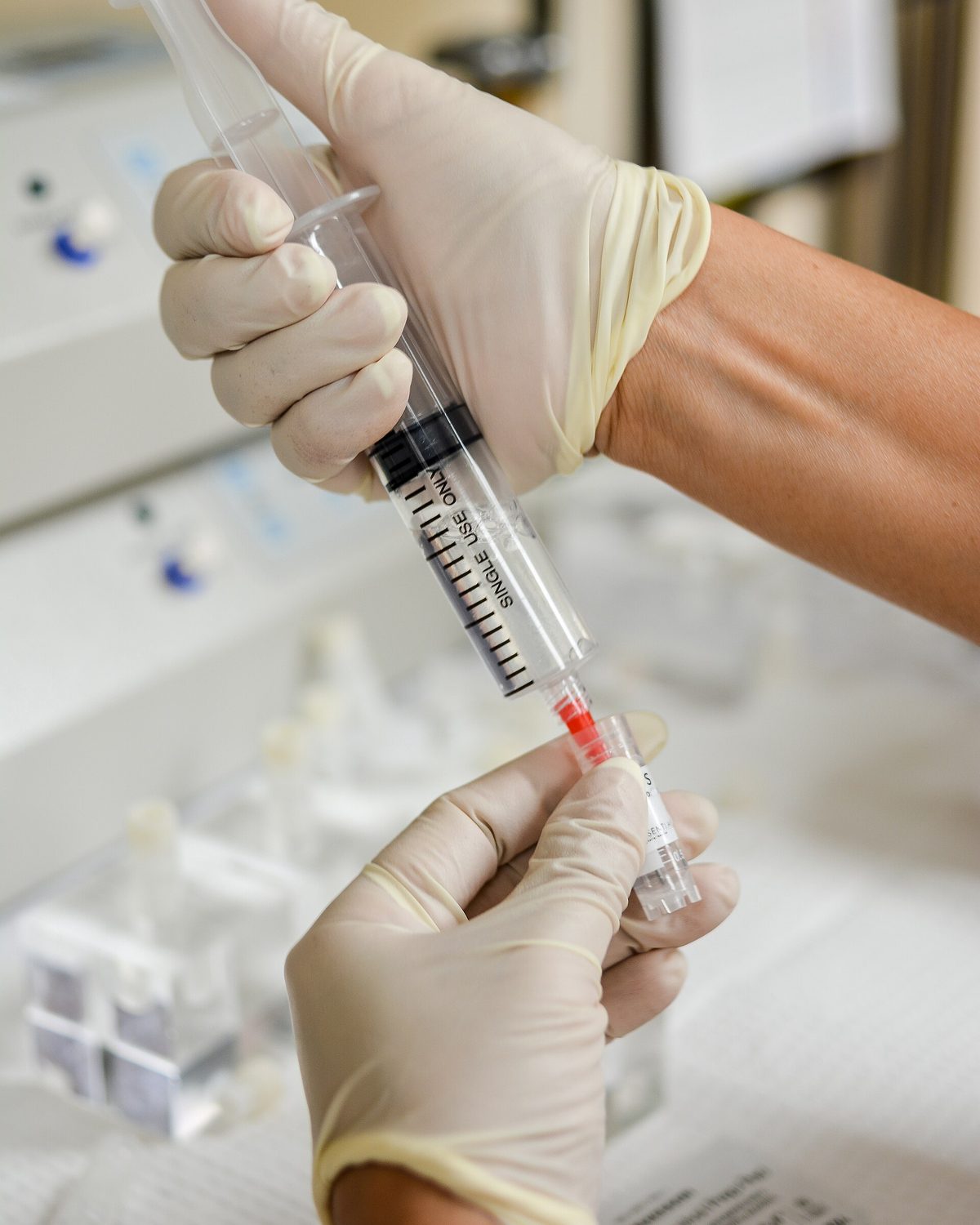
Cost depends first on whether the treatment uses cells or cell-free secretome. Cell therapy requires harvesting, culturing and quality control in specialised facilities, and in Europe can run from several thousand to tens of thousands of euros. Secretome usually sits in a lower price band. In both cases the price varies with the facility, the product, the number of sessions and what is included.
At our partner clinic in Barcelona a three-session secretome set (IV or injection) costs around EUR 1,000 to 1,500 excluding VAT. VAT depends on the purpose and nature of the service; where it applies, 21% is added. The final price is confirmed in a written quote after the physician's consultation. Travel and accommodation are extra, and elective procedures like this are generally not covered by public health insurance.
For price comparisons between the US, Mexico, the UK and Spain, and a full one-week Barcelona budget, see our guide to the cost of stem cell therapy in Europe.
Part 6: How to check a stem cell clinic in Europe
Being in the EU does not make a clinic safe by itself. Wherever you are treated, we recommend checking the following yourself.
1. The legal route and the regulator
For therapy using stem cells themselves, ask whether it is centrally authorised, part of an authorised clinical trial or supplied under a hospital exemption, and which authority approved it. Clinical trials can be checked on the EU clinical trials portal and, in Spain, on REEC. For secretome, ask the clinic to confirm the product contains no cells and to explain how it is positioned under that country's rules.
2. The facility licence
In Spain, healthcare facilities are authorised by the regional health authority, and authorised facilities can be looked up in the Ministry of Health's REGCESS register. In Catalonia, where Barcelona is, the regional health department manages authorisation and registration.
3. The doctor's qualifications and registration
To practise in Spain a physician needs a medical degree and registration with the local medical college (Colegio de Médicos). Ask for the treating doctor's name and registration number (número de colegiado) in advance.
4. The product's quality documents
- The manufacturer and the name and country of the manufacturing site
- The certificate of analysis (CoA) for the specific lot
- Sterility and endotoxin test results
- Records of temperature control during storage and transport
5. Consent and a full cost breakdown
Make sure risks and uncertainties are explained in a language you fully understand and that you sign a written consent form. Ask for a written quote showing the treatment fee, consultation, tests, VAT and any extras. Be cautious of guarantees of results, or pressure to pay a large sum before you have seen a doctor.
Part 7: The process, from enquiry to aftercare
Medical Bridge is not a medical provider. We coordinate testing and stem cell secretome treatment at partner clinics in Barcelona, and we do not offer therapy using stem cells themselves. A typical process looks like this, although the details depend on the physician's judgement.
- Enquiry: a free online pre-consultation in English or Japanese about your goals, medical history, medication and preferred dates
- Documents: you share a health questionnaire, a medication list and any recent test results, so the partner-clinic physician can assess whether treatment may be appropriate. You can ask about product quality documents at this stage, with an interpreter if needed
- Travel and booking: once dates are set and you have reviewed the written quote, you arrange travel and accommodation. Visitors from further away usually plan around a week. If you live in Europe, the physician still sets the interval between the three sessions, so dates are agreed during the pre-consultation
- The day: check-in and health check, consultation and explanation with the physician, signing the consent form, administration and observation. Allow around three hours for an IV day
- Afterwards: the three sessions are spaced at intervals set by the physician. If you notice any concerning symptoms after you return home, see a local doctor first, and agree in advance how to get in touch about follow-up
If you have a chronic condition, are under treatment, or are pregnant or breastfeeding, speak to your own doctor before you book travel. You can request a pre-consultation using the button at the bottom of this page. For how Spain's healthcare system works for visitors, see our guide to healthcare in Spain for tourists.
Frequently asked questions
Where in Europe can I get stem cell therapy?
Are there any approved stem cell therapies in the EU?
Is stem cell secretome legal in the EU?
How much does stem cell therapy cost in Europe?
What are the stem cell regulations in the EU?
What about clinics in Turkey or Ukraine?
Can I get advice in English or Japanese?
Part 8: Official sources we used
- Regulation (EC) No 1394/2007 on advanced therapy medicinal products (EUR-Lex): https://eur-lex.europa.eu/eli/reg/2007/1394/oj/eng
- Regulation (EU) 2024/1938 on substances of human origin (EUR-Lex): https://eur-lex.europa.eu/eli/reg/2024/1938/oj/eng
- EMA, Advanced therapy medicinal products overview: https://www.ema.europa.eu/en/human-regulatory-overview/advanced-therapy-medicinal-products-overview
- EMA, Advanced therapy classification: https://www.ema.europa.eu/en/human-regulatory-overview/marketing-authorisation/advanced-therapies-marketing-authorisation/advanced-therapy-classification
- EMA, EMA warns against using unproven cell-based therapies (28 April 2020): https://www.ema.europa.eu/system/files/documents/public-statement/ema_communication_on_cell_based_therapies_en.pdf
- EMA and HMA, Unregulated advanced therapy medicinal products pose serious risks to health (13 March 2025): https://www.ema.europa.eu/en/news/unregulated-advanced-therapy-medicinal-products-pose-serious-risks-health
- EUR-Lex glossary, European Economic Area: https://eur-lex.europa.eu/EN/legal-content/glossary/european-economic-area-eea.html
- AEMPS, stem cell therapy notice (16 April 2010): https://www.aemps.gob.es/informa/notasinformativas/medilegales-notasinformativas/2010/ni_muh_ilegales_celulas-madre/
- AEMPS, warning on unauthorised advanced therapy medicinal products (13 March 2025): https://www.aemps.gob.es/informa/la-aemps-advierte-sobre-los-graves-riesgos-para-la-salud-de-los-medicamentos-de-terapia-avanzada-no-autorizados/
- AEMPS, hospital exemption: https://www.aemps.gob.es/medicamentos-de-uso-humano/medicamentos-biologicos/terapias-avanzadas/terapias-avanzadas-de-fabricacion-no-industrial/exencion-hospitalaria/
- Spanish Ministry of Health, REGCESS register: https://www.sanidad.gob.es/estadEstudios/sistInfSanit/centrosServicios/regcess/consulta/home.htm
- German Medicines Act, Section 4b: https://www.gesetze-im-internet.de/amg_1976/__4b.html
- Paul-Ehrlich-Institut, FAQ on ATMPs: https://www.pei.de/EN/service/faq/medicinal-products/faq-atmp-node.html
- AIFA, non-routine use of advanced therapies: https://www.aifa.gov.it/en/uso-non-ripetitivo-di-terapie-avanzate
- ANSM, MTI-PP authorisation: https://ansm.sante.fr/vos-demarches/industriel/demander-une-autorisation-dactivite-portant-sur-les-medicaments-de-therapie-innovante-prepares-ponctuellement-mti-pp
- Swissmedic, legal framework governing the use of tissues and cells of human origin: https://www.swissmedic.ch/swissmedic/en/home/humanarzneimittel/besondere-arzneimittelgruppen--ham-/innovation/publikationen/legal-basis-governing-the-use-of-tissues-and-cells-of-human-orig.html
- MHRA, Advanced therapy medicinal products: regulation and licensing: https://www.gov.uk/guidance/advanced-therapy-medicinal-products-regulation-and-licensing
- Human Tissue Authority: https://www.hta.gov.uk/
Summary
When looking for stem cell therapy in Europe, start with two questions: does the treatment use stem cells themselves or cell-free secretome, and is the country inside or outside the EU. Inside the EU, cell therapy can only be supplied through central authorisation, an authorised clinical trial or a hospital exemption, and Switzerland and the UK have their own regulators with similar requirements. Secretome is not an approved therapy either; it is a research-stage field and individual responses vary. Check the regulator, the facility licence, the doctor's registration, the product's quality documents, the consent process and the cost breakdown, and you can make an informed choice. Medical Bridge offers a free online pre-consultation with our partner clinic in Barcelona, in English and Japanese.
Photos: Yazan Shawahneh / CC0 · AMA Skincare / CC BY-SA 4.0 (Wikimedia Commons)
Talk to us about testing and treatment in Europe
From testing and stem cell secretome therapy at partner clinics in Barcelona to arranging your stay, we coordinate everything in English and Japanese. The online pre-consultation is free.
Request a Free Pre-Consultation