"Stem cell IV drip" is not the name of a single procedure. In our own research, the same phrase was used both for cell therapy, in which cultured stem cells (living cells) are infused into a vein, and for IV drips of stem cell secretome, a fluid from which the cells have been removed. The two differ in what goes into your body, in how the law treats them and in cost, often by an order of magnitude.
This guide explains the difference, then covers the rules in Japan and in the EU (Spain), what happens on the day of an IV, reported side effects and risks, how to choose a clinic, and indicative costs. Please note that Medical Bridge coordinates stem cell secretome IV drips at a partner clinic in Barcelona only. We do not arrange cell therapy in which stem cells themselves are infused.
Key takeaways
- "Stem cell IV" is used both for infusing cultured stem cells themselves (cell therapy) and for IV drips of cell-free stem cell secretome. Before comparing any advert or quote, find out which one is meant
- In Japan, therapies using cells fall under the Act on the Safety of Regenerative Medicine: a clinic must hear the opinion of a certified committee and submit a provision plan to the Minister of Health, Labour and Welfare before offering them. Secretome that clearly contains no cells falls outside the Act, no such product has regulatory approval, and it is offered as unapproved, self-paid care
- In the EU, products made from cultured or processed cells are regulated as advanced therapy medicinal products (ATMPs) under Regulation (EC) No 1394/2007. Spain's medicines agency (AEMPS) has warned about unauthorised cell therapies offered outside approval or clinical-trial routes
- Much of this field is still at the research stage, and efficacy and safety have not been established. Risks such as infection and allergic reactions depend heavily on product quality and physician supervision
- Medical Bridge arranges secretome IV only. At our partner clinic a three-session IV or injection set costs around €1,000–1,500 excluding VAT, and a physician decides after an examination whether you are eligible
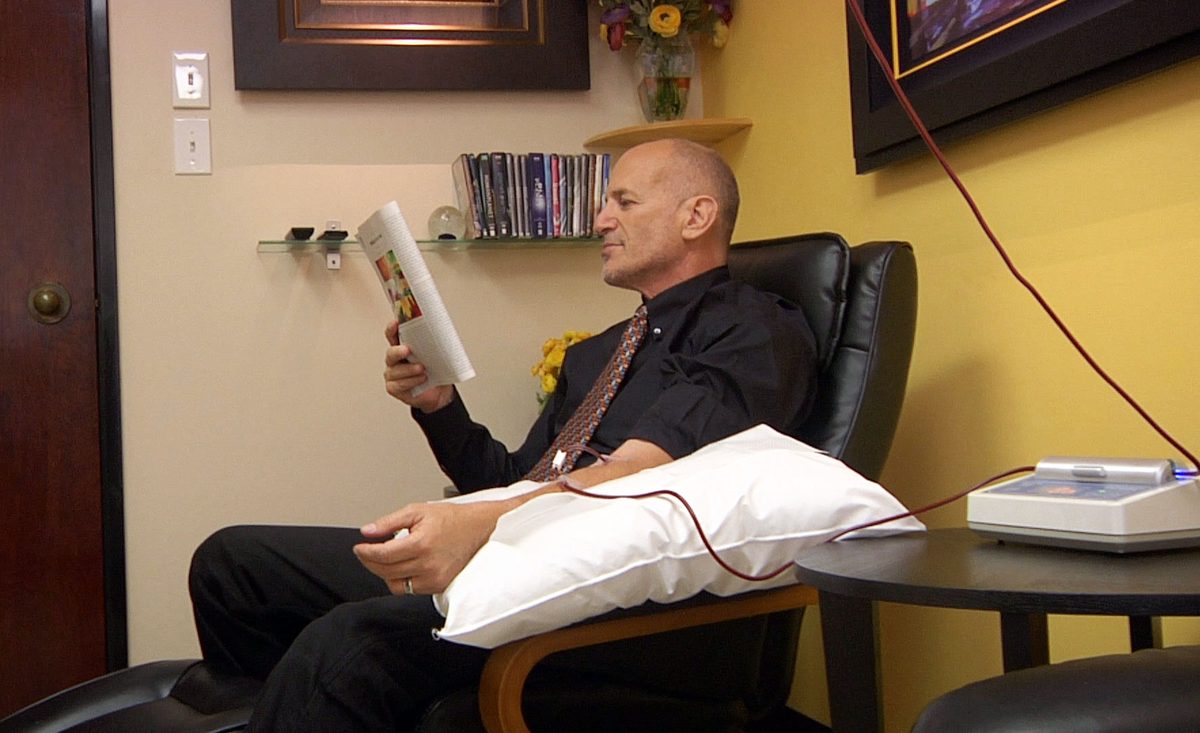
Part 1: Two things "stem cell IV" can mean
When an advert or search result says "stem cell IV", the content usually falls into one of two very different categories. The names sound alike, so telling them apart is the starting point for comparing cost and risk.
1. Cell therapy: infusing stem cells themselves
Mesenchymal stem cells are taken from fat, bone marrow, umbilical cord or other tissue, grown in culture and infused into a vein as living cells. If your own cells are used, a procedure such as fat harvesting and a period of cell culture are needed first. Quality control at the facility that cultures and processes the cells is essential, and in both Japan and the EU these therapies are subject to strict legal procedures.
2. Stem cell secretome IV: no cells
Stem cells are cultured, the substances they release into the fluid (cytokines, growth factors, exosomes and more) are collected, and the cells are removed. The resulting fluid is given by IV and contains no living cells. No harvesting or culture of your own cells is needed; a product that has already been manufactured is used. Our guide to stem cell secretome explains its components and how IV, nasal and cosmetic forms differ.
The differences at a glance
- Cells: cell therapy introduces living cells; secretome contains no cells and uses the substances cells release
- Regulation: in Japan, cell therapy requires procedures under the Act on the Safety of Regenerative Medicine, while secretome falls outside the Act; in the EU, products made from processed cells are regulated as medicines (ATMPs)
- Cost: cell therapy, which requires harvesting, culture and quality control, tends to be expensive, while secretome tends to sit in a lower price band
- Risk: both carry risks such as infection and allergic reactions; with cell therapy, cell-specific concerns such as cells growing into unintended tissue have also been reported
What Medical Bridge arranges
Medical Bridge coordinates stem cell secretome IV drips and injections at a partner clinic in Barcelona. We do not arrange cell therapy in which stem cells themselves are infused. Secretome IV is not intended to treat any specific disease and is not an approved therapy. Whether you can receive it is decided by the partner-clinic physician after an examination and a review of your medical history.
Part 2: The rules in Japan
In Japan, medicine that uses cells that have been cultured or otherwise processed is covered by the Act on the Safety of Regenerative Medicine (Act No. 85 of 2013). The Act divides regenerative medicine into Class I, Class II and Class III depending on the potential impact on life and health.
A clinic that wants to offer a therapy using cells must first hear the opinion of a regenerative medicine committee certified by the Minister of Health, Labour and Welfare, and then submit a regenerative medicine provision plan to the Minister. The Ministry of Health, Labour and Welfare (MHLW) states that providing regenerative medicine without these procedures breaks the law and is subject to penalties. If you are considering an IV of stem cells themselves in Japan, the first thing to check is whether the clinic has submitted a provision plan.
Cell-free secretome is treated differently. In its consolidated Q&A on the Act (February 2025), the MHLW states that culture supernatant falls outside the Act where it is clear that it contains no cells. In a notice dated 31 July 2024, the MHLW also stated that no supernatant or exosome product anywhere in the world has demonstrated efficacy and safety and received approval, and that physicians who use them must take particular care over safety under their own responsibility. In other words, secretome IV in Japan is offered as unapproved, self-paid care.
The rules are under review. The 2024 amendment to the Act included a provision to review, within about two years of it taking effect, how the law should apply to medical technologies that use cell secretions. An MHLW working group began discussing this in July 2026, and materials for its meeting on 8 October 2026 set out a draft proposal that extracellular vesicles, including exosomes, should be brought under the Act. This is a proposal under discussion, not an adopted change to the law. The same materials noted reports of cases in which supernatant is administered as is and described as "exosome therapy", and said understanding how widespread this is matters too. Because the rules are changing, check the MHLW's published materials at the time you consider treatment.
Part 3: The rules in the EU and Spain
In the EU, products made from cultured or processed cells fall under the Advanced Therapy Medicinal Products Regulation, Regulation (EC) No 1394/2007, and are regulated as medicines. The European Medicines Agency (EMA) states that all advanced therapy medicines are authorised centrally through the EMA.
In April 2010 Spain's medicines agency (AEMPS) announced that, apart from haematopoietic progenitor cell transplants, stem cell therapies are medicines and must follow the same rules as other medicines. In March 2025 it warned about unauthorised advanced therapy medicines being sold directly to patients. AEMPS lists three legitimate routes.
- Central authorisation for the whole EU, after the EMA has assessed safety, efficacy and quality
- An authorised clinical trial (in Spain, assessed by AEMPS and listed publicly in the Spanish Clinical Trials Registry, REEC)
- A special use authorisation for a product made in a hospital for an individual patient
AEMPS warns that unauthorised products can cause serious adverse reactions because of quality problems such as contamination, inconsistent composition or improper storage, and advises patients to check official sources such as AEMPS or the EMA before accepting a treatment based on cells, tissues or genes. If you see an advert offering stem cells themselves by IV inside the EU, ask which of these three routes it is provided under.
Cell-free stem cell secretome is treated differently from cell therapy. Even so, it is not approved as a medicine for any specific disease in the EU or Spain. Our guide to stem cell secretome injections in the EU explains how to check licences and documents when choosing a clinic there.
Part 4: How a secretome IV day works
At the partner clinic, a secretome IV day takes about three hours from check-in to finish. The usual flow is as follows, although the physician may adjust it.
- Check-in and health check, covering temperature, blood pressure, how you feel and current medication
- Examination and explanation by the physician, and signing of the consent form with an interpreter present
- IV line placement and administration, during which you rest in a reclining chair
- Observation after administration to check for any change in how you feel or signs of an allergic reaction
- Guidance for the rest of the day, which usually includes avoiding strenuous exercise and alcohol
For a three-session set, the physician sets the intervals to fit your stay. There is no standard number or interval of sessions yet. Cell therapy that infuses stem cells themselves adds steps such as harvesting and culturing cells, so its schedule looks very different.
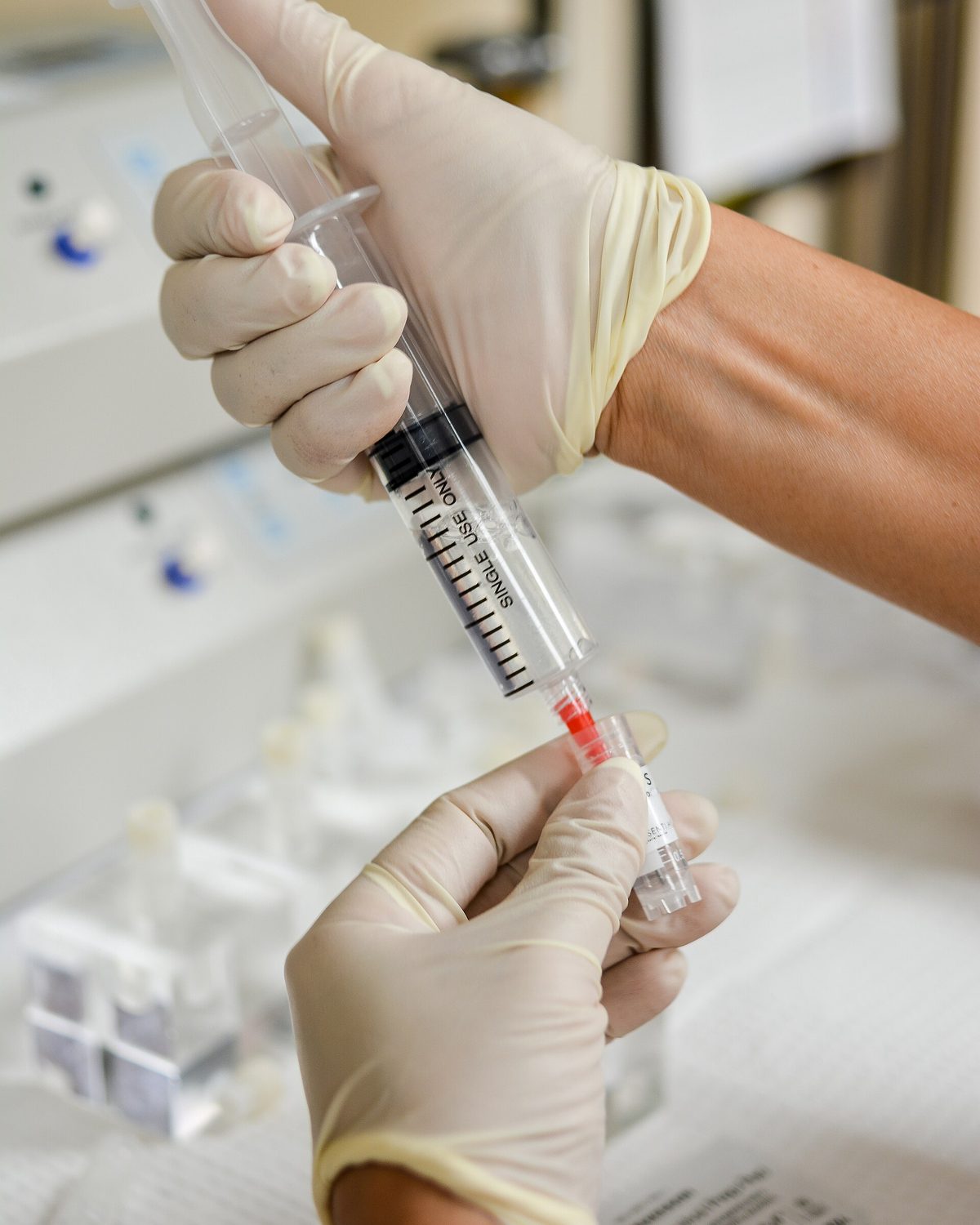
Part 5: Reported side effects and risks
The main reactions reported after secretome IV drips or injections are below. Most are described as temporary, but they vary from person to person.
- Tiredness or drowsiness on the day or the following day
- Temporary low fever or headache
- Redness, swelling, pain or bruising at the drip or injection site
- Allergic reactions such as itching or rash, with a rare possibility of a severe allergic reaction
- As a rare but serious risk, infection caused by contaminated products or improper technique
For therapies using stem cells themselves, the US Food and Drug Administration (FDA) has warned that it has received reports of blindness, tumour formation and infections after the use of unapproved products. Cell-specific concerns are considered smaller with cell-free secretome, but that does not mean there is no risk. In either case, because the product goes directly into a vein, sterility and the clinic's ability to respond to an emergency matter.
If you experience breathing difficulty, widespread hives, a high fever, or pain or swelling that does not settle after an IV, tell the medical staff immediately or seek medical care. After returning home, see a doctor near you first.
Who may not be eligible
The physician may decide to postpone or not to proceed if you are pregnant or breastfeeding, are being treated or followed up for cancer, have a fever or an infection, have a history of severe allergies, or take medication such as anticoagulants. Final eligibility is decided by the partner-clinic physician based on an examination and your medical history. If you have a chronic condition, talk to your own doctor before deciding to travel.
Part 6: How to choose a clinic
Whether the IV contains cells or secretome, check the following before looking at names or prices. If any answer is vague, take time to ask further questions rather than deciding on the spot.
1. The legal route
For a therapy using cells, ask whether a provision plan has been submitted (in Japan) or which route applies (in the EU: authorisation, clinical trial or special use authorisation). For secretome, ask for confirmation that the product contains no cells and an explanation of how it is provided in that country.
2. Facility licence and doctor registration
Check that the facility is licensed by the health authority in that country and that the treating doctor is a registered physician. In Spain, physicians must be registered with the local medical college (Colegio de Médicos), and you can ask for the treating doctor's name and registration number (número de colegiado) in advance.
3. Product quality documents and emergency readiness
- The manufacturer, and the name and country of the manufacturing facility
- A certificate of analysis (CoA) for each lot
- Sterility and endotoxin test results (endotoxins are fever-causing substances derived from bacteria)
- Infectious-disease screening of the cell donor
- Records of temperature control during storage and transport
- Medication and procedures for emergencies such as anaphylaxis
- A written consent process after an explanation of risks and uncertainties
Be cautious about offers that guarantee results, claim to cure a disease, or ask for a large prepayment before a physician has examined you. Our article comparing stem cell, secretome and exosome products also sets out a safety checklist and the regulatory differences.
Part 7: Indicative costs
Cell therapy that infuses stem cells themselves tends to be expensive, because harvesting, culture and quality control require specialist facilities and steps. In Japan it is commonly advertised at around one million to several million yen per session, in the United States prices commonly range from a few thousand to tens of thousands of dollars, and in Europe it can cost thousands to tens of thousands of euros. Cell-free secretome IV sessions in Japan are often listed from tens of thousands to a few hundred thousand yen per session. All of these vary widely by facility, product, number of sessions and what is included.
At our Barcelona partner, NB Science Stem Cell Clinic (attending physician Dr. A. Sergio), a three-session stem cell secretome IV or injection set costs around €1,000–1,500 (about 177,000 to 266,000 yen), excluding VAT. VAT treatment depends on the purpose and content of the treatment; where VAT applies, 21% is added (about €1,210–1,815, roughly 210,000 to 320,000 yen). Yen figures use about 177 yen to the euro (based on the ECB reference rate of 13 October 2026) and will vary with exchange rates.
The final content and price are confirmed in a written quote after the physician's consultation. Travel and accommodation are extra, and as self-paid care these procedures are generally not covered by public health insurance in Japan or EU countries. Our guide to stem cell therapy costs compares price ranges by country and total budgets including travel.
Frequently asked questions
What is a stem cell IV drip?
Is a stem cell IV legal in the EU?
Does Medical Bridge arrange stem cell infusions?
What are the side effects of a stem cell IV?
Summary
"Stem cell IV" has two meanings that differ in content, regulation and cost: cell therapy that infuses stem cells themselves, and IV drips of cell-free stem cell secretome. Cell therapy is subject to strict legal procedures in both Japan and the EU, while secretome in Japan falls outside the Act on the Safety of Regenerative Medicine and is offered as unapproved, self-paid care. Much of this field is still at the research stage, efficacy and safety have not been established, and individual responses vary.
When you consider either, ask what exactly is being infused, under which legal route it is provided, who made it, who administers it and what happens if something goes wrong. Medical Bridge arranges a free online pre-consultation with our partner clinic in Barcelona about stem cell secretome IV, so you can review product documents and raise questions with an interpreter present before deciding at your own pace.
Photos: James Mutter / CC BY-SA 4.0 · AMA Skincare / CC BY-SA 4.0 (Wikimedia Commons)
Talk to us about testing and treatment in Europe
From testing and stem cell secretome therapy at partner clinics in Barcelona to arranging your stay, we coordinate everything in English and Japanese. The online pre-consultation is free.
Request a Free Pre-Consultation